Desk Lighting for Eye Comfort and Less Strain
Published How we research
Lighting is one of the most overlooked parts of a workspace, yet it directly affects how tired your eyes feel by the end of the day. Poor lighting forces your eyes to constantly adjust between a bright screen and a dim room, or to fight glare bouncing off your display. Good lighting, by contrast, is something you barely notice because everything is comfortably visible.
Products from this article
The highest-scoring picks from the buying guides this article links to. Scores are our editorial assessment, not customer ratings.
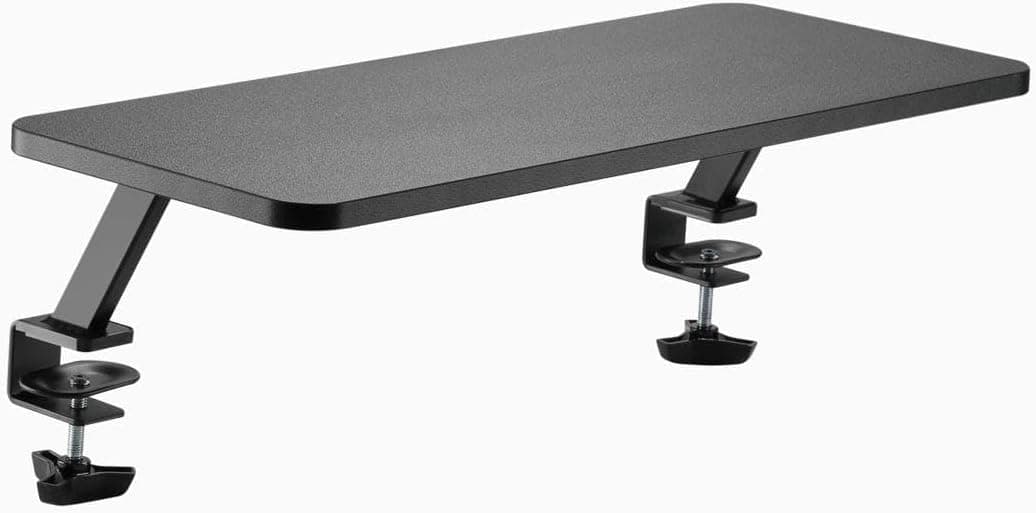
+ Double width shelf holds two monitors on one level surface
From our guide: Best Monitor Risers for Desks (2026)
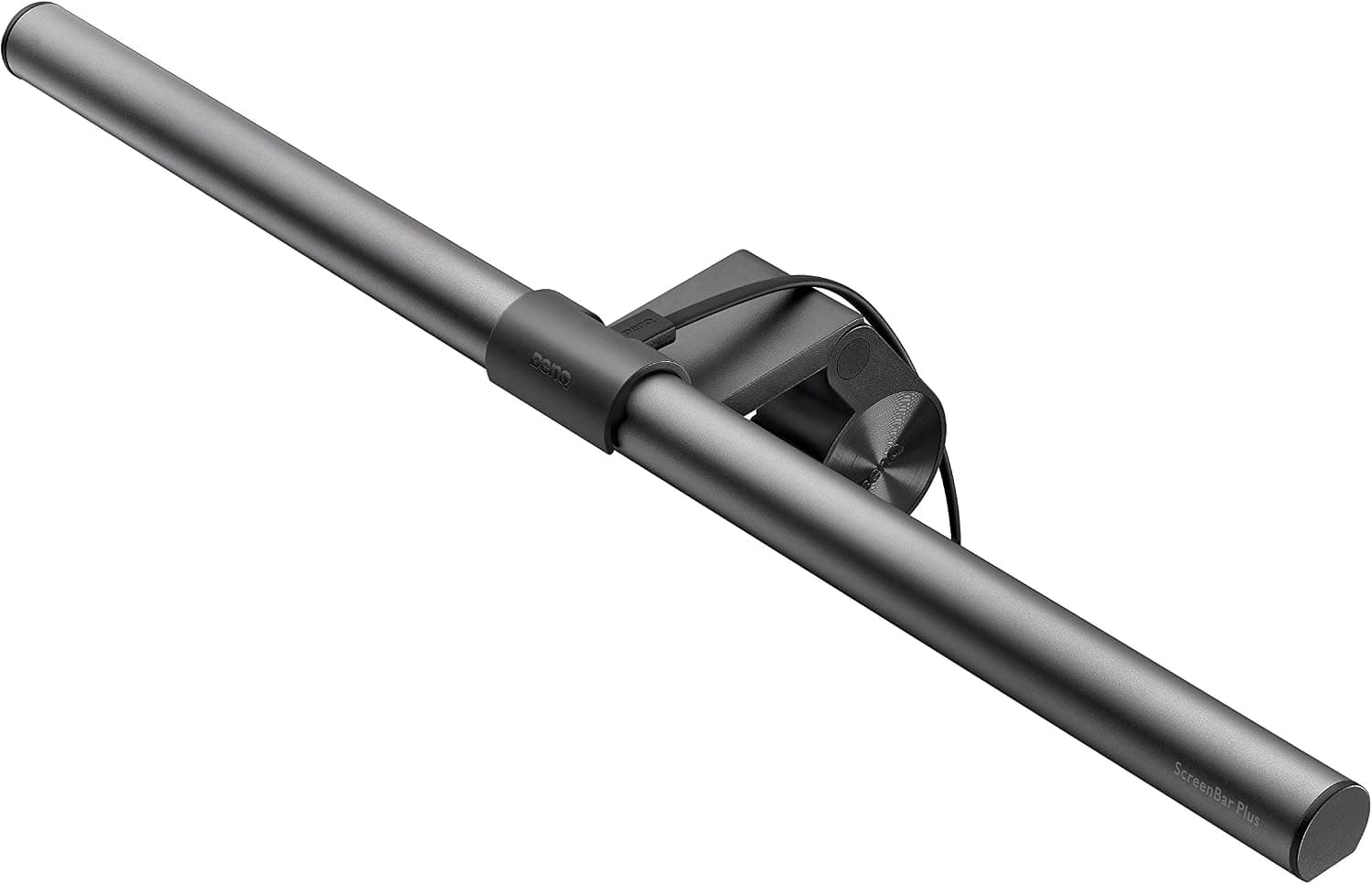
+ Desktop dial controls brightness and color without reaching up
From our guide: Best Monitor Light Bars (2026)
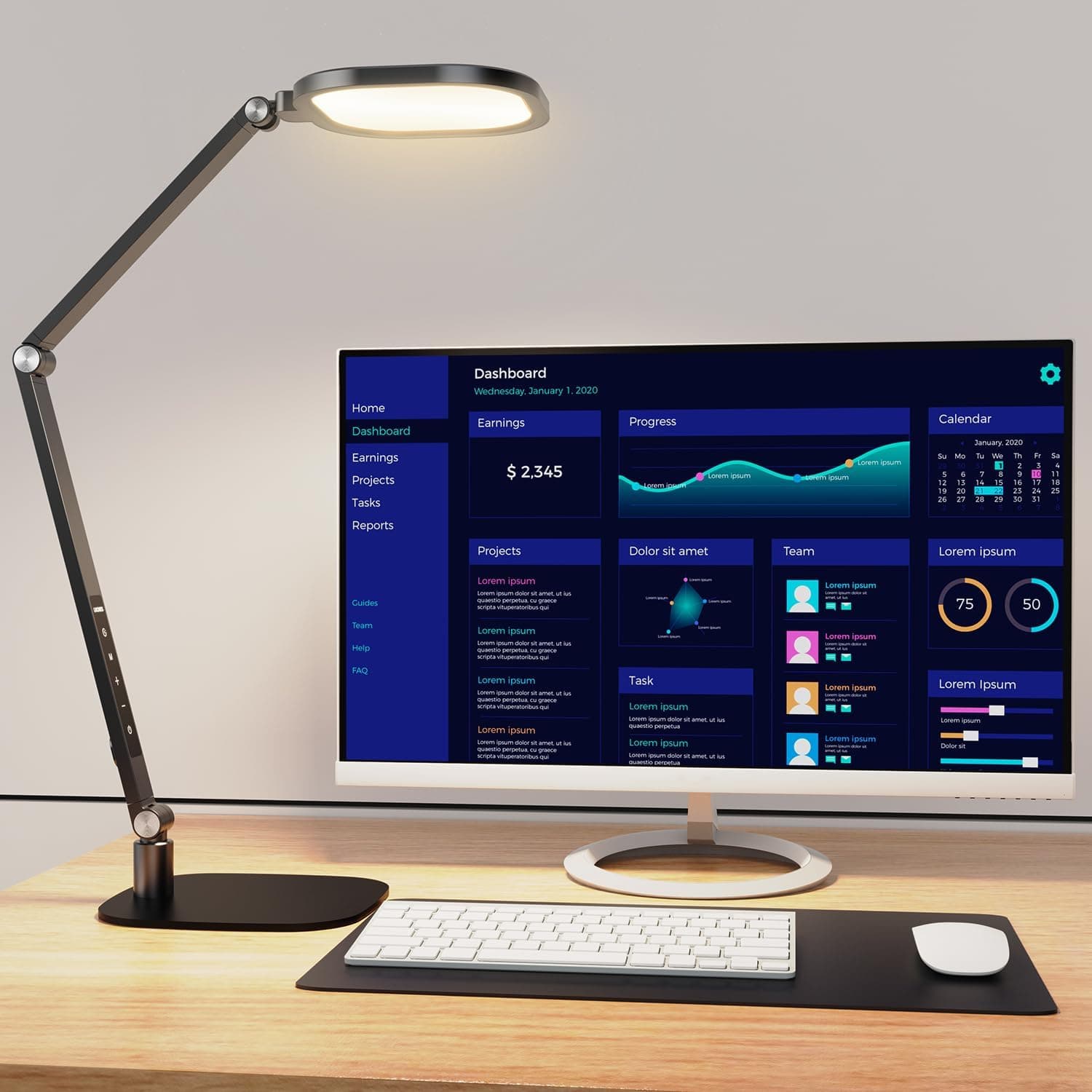
+ 3 color and 10 brightness levels suit reading, writing and screen work
From our guide: Best Desk Lamps for Home Offices (2026)
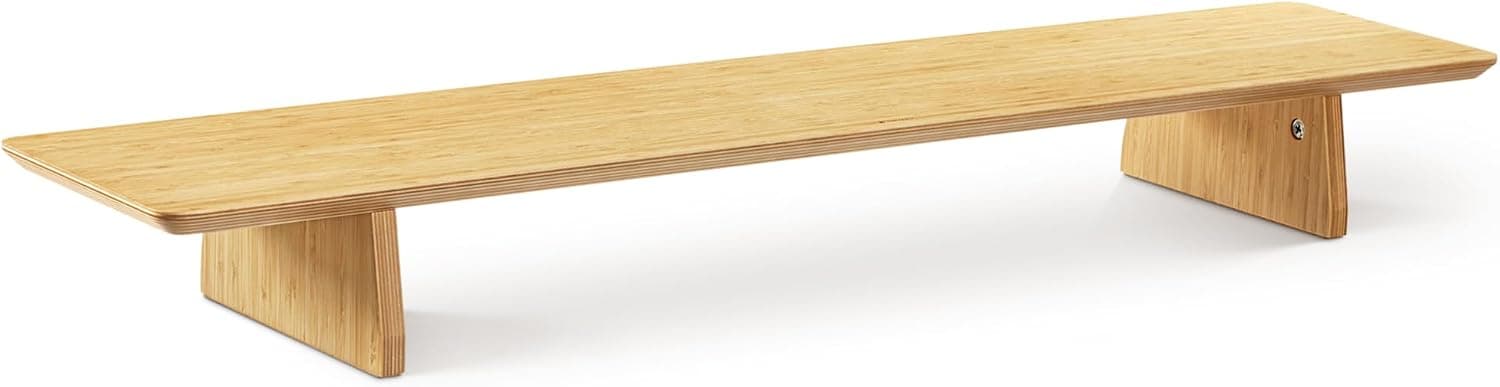
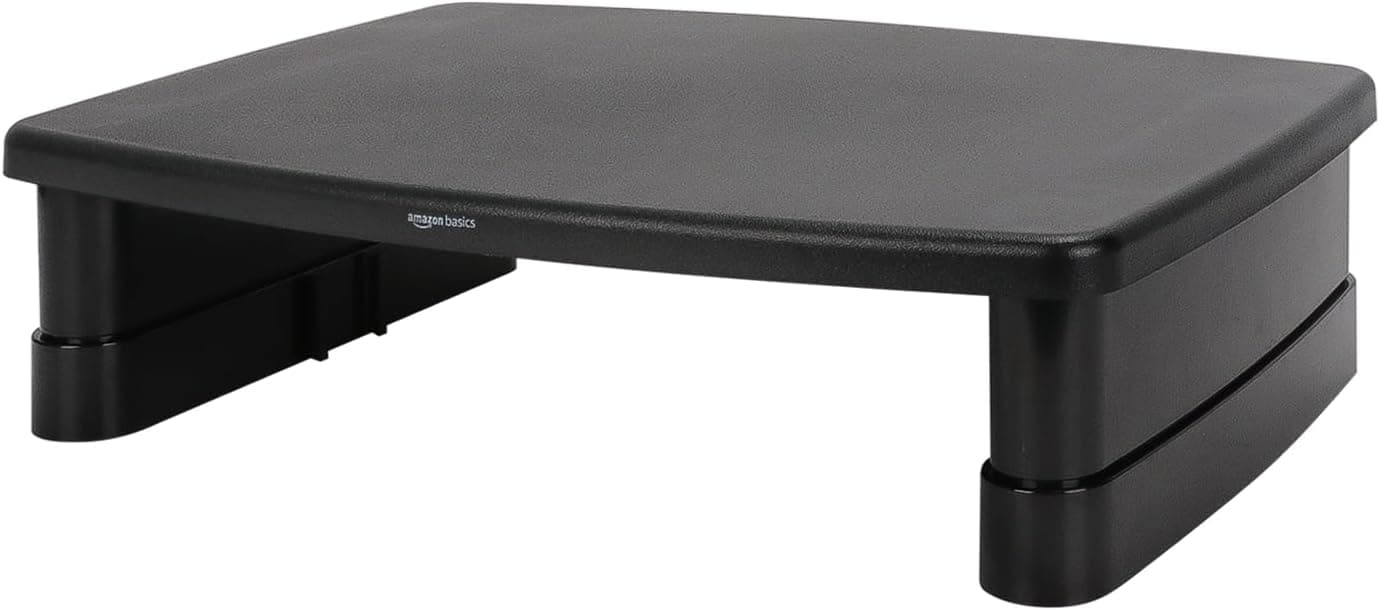
+ 3-level stackable design lets you pick a low, medium or tall height
From our guide: Best Monitor Risers for Desks (2026)
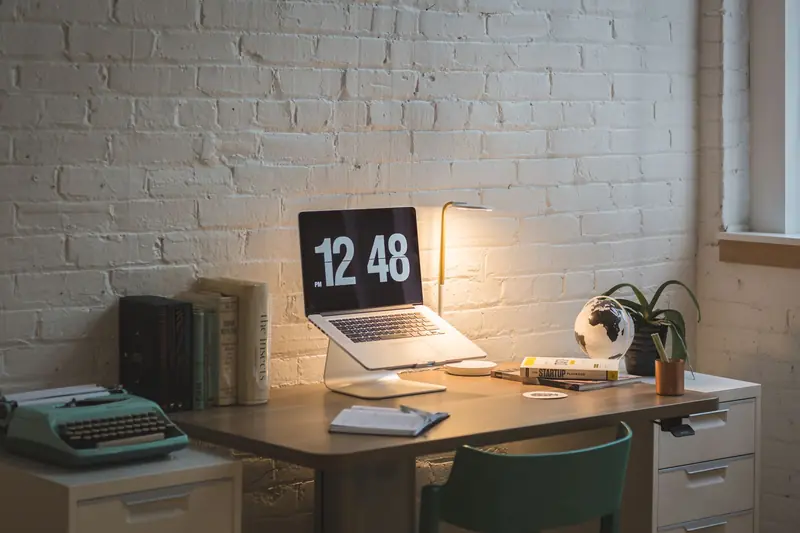
The most common mistake is relying only on a bright screen in an otherwise dark room. That high contrast between the glowing display and the dark surroundings makes your eyes work overtime. Aim to keep the general room brightness reasonably close to your screen brightness so the transition between looking at the display and looking away is gentle.
Add a dedicated task light for reading, writing, or detailed work. Position it to the side rather than directly in front of you or behind your screen, so the light falls on your papers without shining into your eyes or reflecting off the monitor. If you are right-handed, placing the lamp on your left reduces the shadow your hand casts while writing, and the reverse for left-handed users.
Watch for glare, which is often the real culprit behind eye fatigue. Overhead lights and windows can reflect off your screen and create hotspots you unconsciously squint against. Angling your monitor slightly, repositioning the lamp, or moving your desk perpendicular to a window usually solves it.
Finally, give your eyes regular breaks regardless of how good your lighting is. A simple habit is to look at something far away for a short moment every so often, letting your focus muscles relax. Comfortable lighting reduces strain, but pairing it with distance breaks keeps your eyes fresh through long sessions.
Popular right now
- Best Ergonomic Split Keyboards (2026)Buying guide
- Best Under-Monitor Storage Organizers (2026)Buying guide
- Best Monitor Privacy Filters (2026)Buying guide
- Best Corner Desks for Home Offices (2026)Buying guide
- Best UPS Battery Backups for Home Offices (2026)Buying guide
- Docking station explainedGlossary
Based on the last 28 days of search and visitor data.