Simple Posture Tips for People Who Sit All Day
Published How we research
Good posture is not about sitting stiffly upright like a soldier. It is about keeping your body in a relaxed, neutral alignment where no single muscle group has to strain to hold you up. For people who sit all day, the real enemy is not one bad position but staying in any position too long, so the best posture advice combines good alignment with regular movement.
Products from this article
The highest-scoring picks from the buying guides this article links to. Scores are our editorial assessment, not customer ratings.
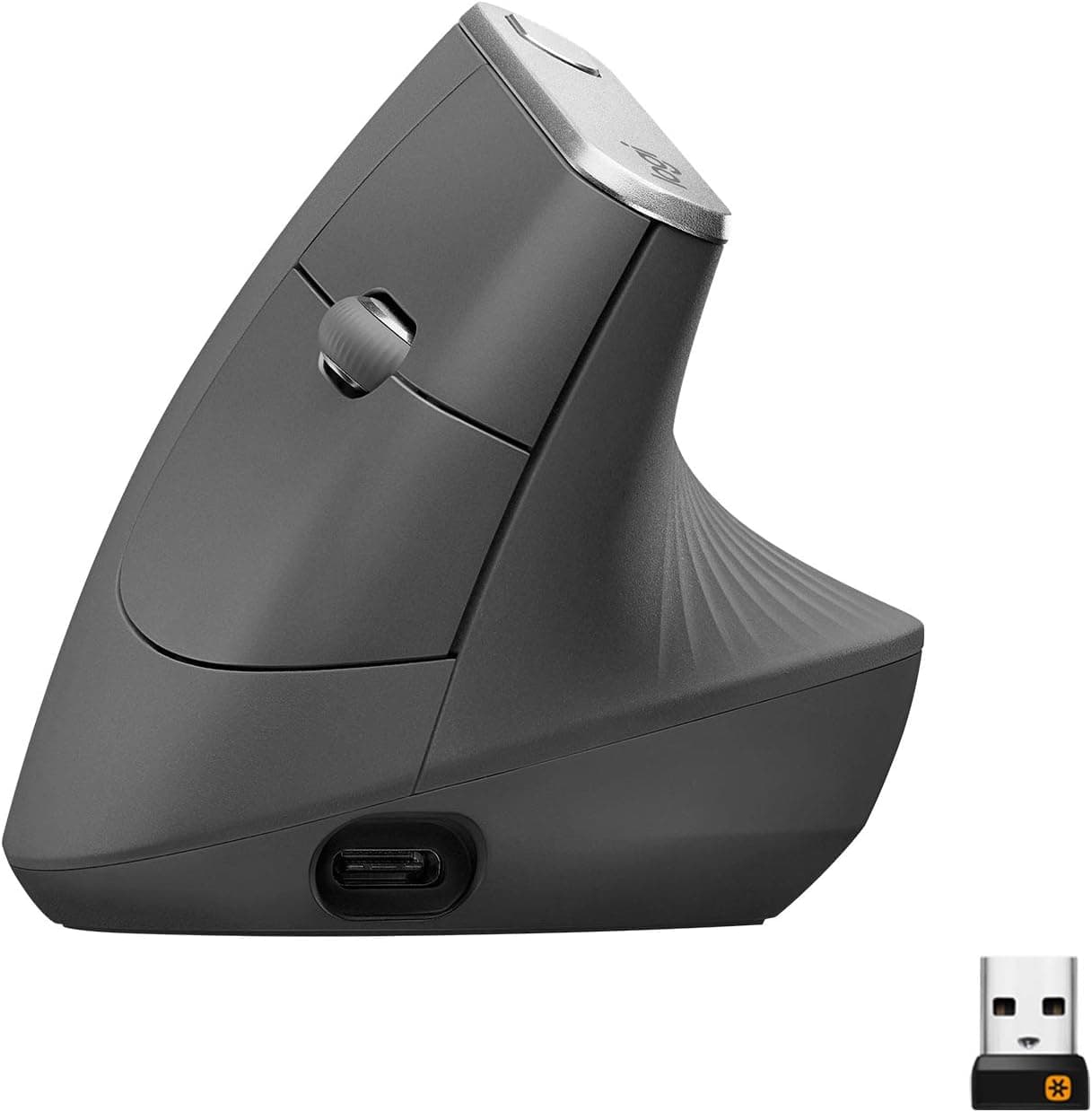
+ Vertical angle keeps the forearm in a neutral handshake position
From our guide: Best Vertical Mice for Wrist Comfort (2026)
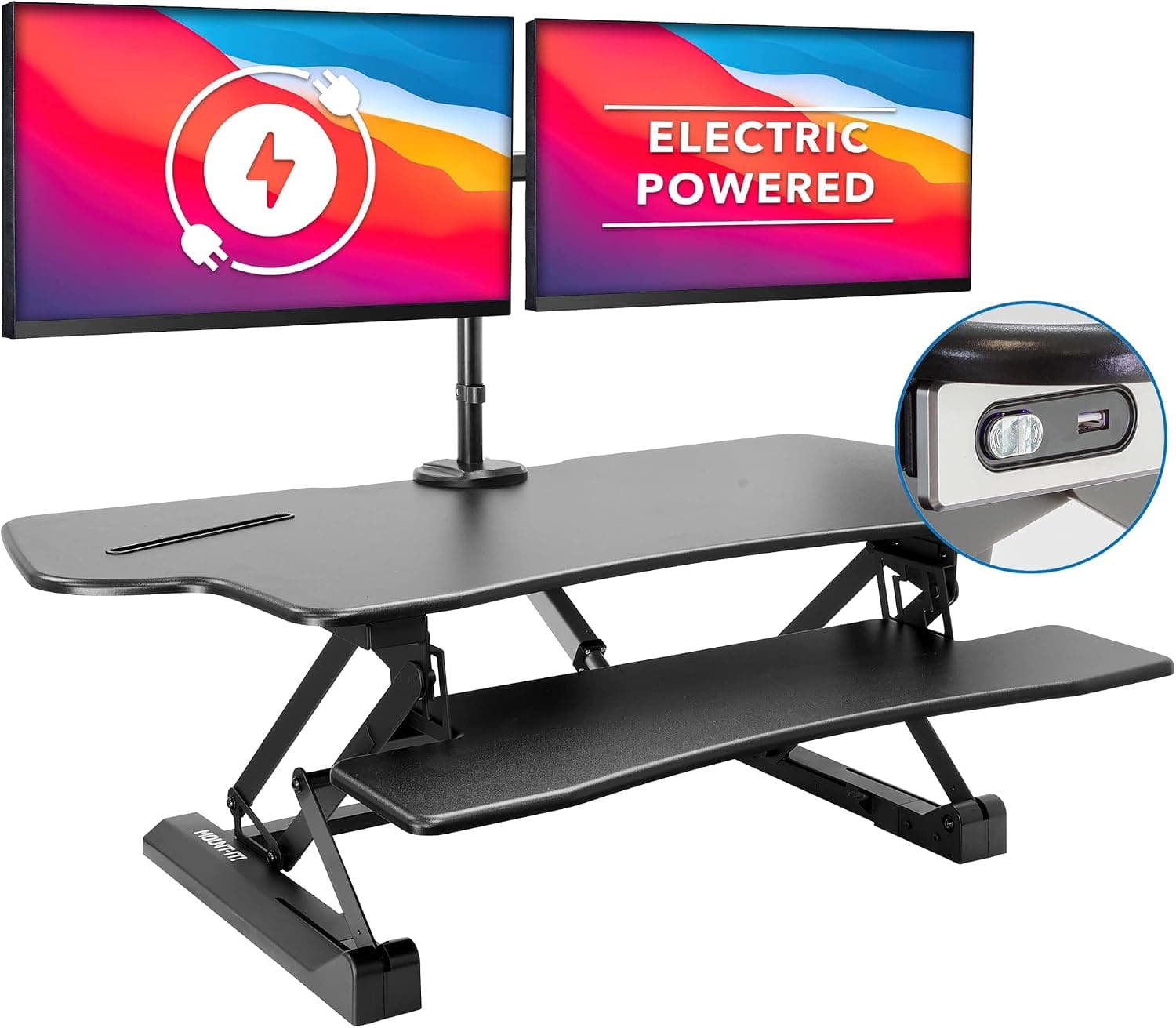
+ Electric lift raises a full dual-screen setup without the manual effort of spring risers
From our guide: Best Standing Desk Converters for Home Offices (2026)
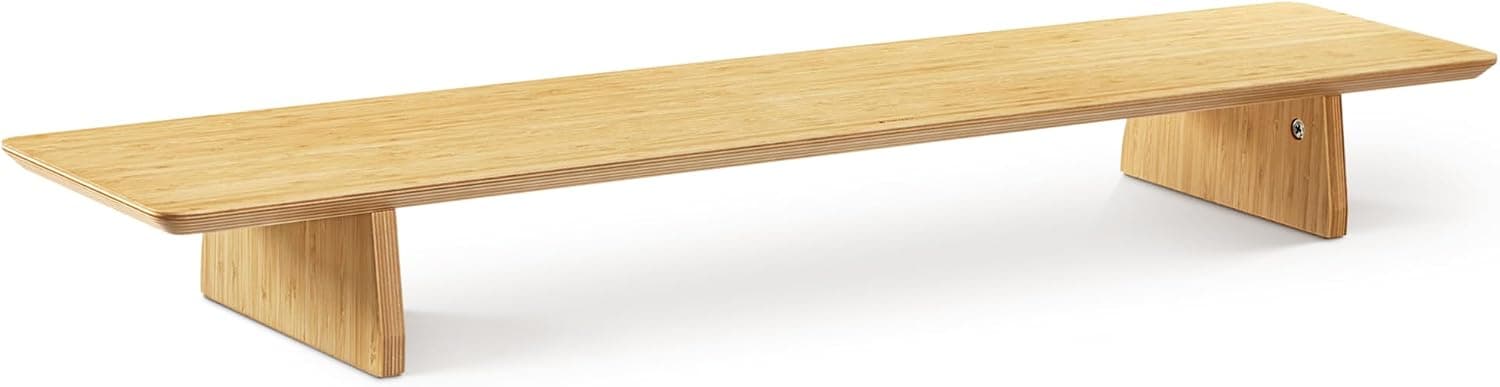
+ Double width shelf holds two monitors on one level surface
From our guide: Best Monitor Risers for Desks (2026)
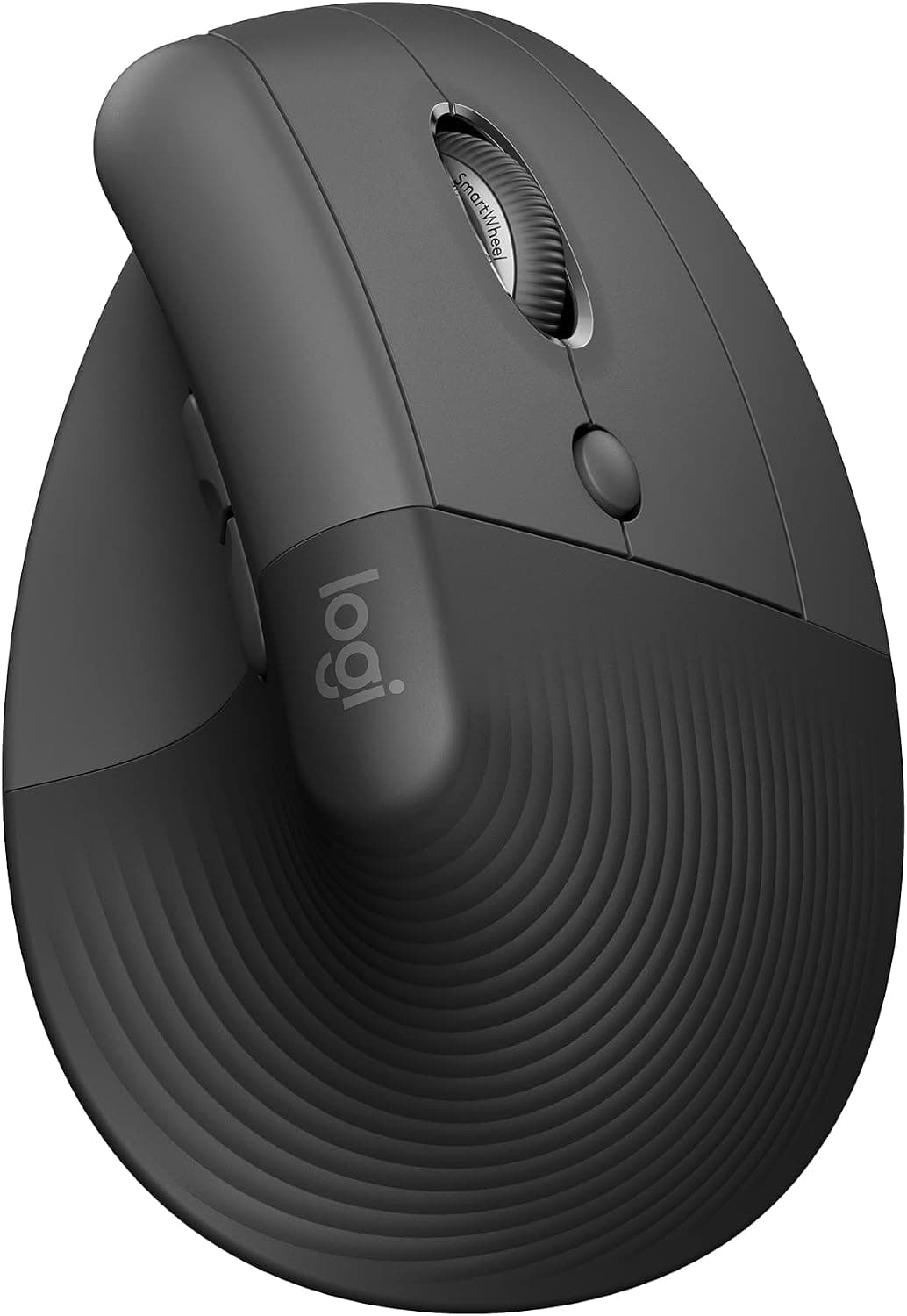
+ Lift is sized for small to medium hands that find MX Vertical big
From our guide: Best Vertical Mice for Wrist Comfort (2026)

The foundation of sitting posture is your base of support. Keep your feet flat on the floor or a footrest, your hips pushed back into the chair so your lower back is supported, and your weight settled evenly on your seat. When your pelvis is positioned well, the natural curves of your spine tend to fall into place above it without conscious effort.
From that base, let your upper body relax into alignment. Your shoulders should sit down and back, not hunched forward or lifted toward your ears, and your head should balance over your shoulders rather than jutting forward toward the screen. Forward head posture, often caused by a screen that is too low or too far, is one of the biggest sources of neck and upper back tension.
Your equipment setup directly shapes your posture, so fix the environment rather than relying on willpower. A screen at eye level keeps your head balanced, a keyboard at elbow height keeps your shoulders relaxed, and a supportive chair keeps your back in place. When the setup is right, good posture becomes the path of least resistance instead of something you have to constantly correct.
Finally, accept that no posture is meant to be held forever, and build movement into your day. Shift in your seat, stand up periodically, stretch your neck and shoulders, and take short walks when you can. The healthiest posture is a moving one, so treat frequent position changes as an essential part of sitting well rather than an interruption to it.
Popular right now
- Best Ergonomic Split Keyboards (2026)Buying guide
- Best Under-Monitor Storage Organizers (2026)Buying guide
- Best Monitor Privacy Filters (2026)Buying guide
- Best Corner Desks for Home Offices (2026)Buying guide
- Best UPS Battery Backups for Home Offices (2026)Buying guide
- Docking station explainedGlossary
Based on the last 28 days of search and visitor data.