How to Fix an Office Chair That Slowly Sinks
Published How we research
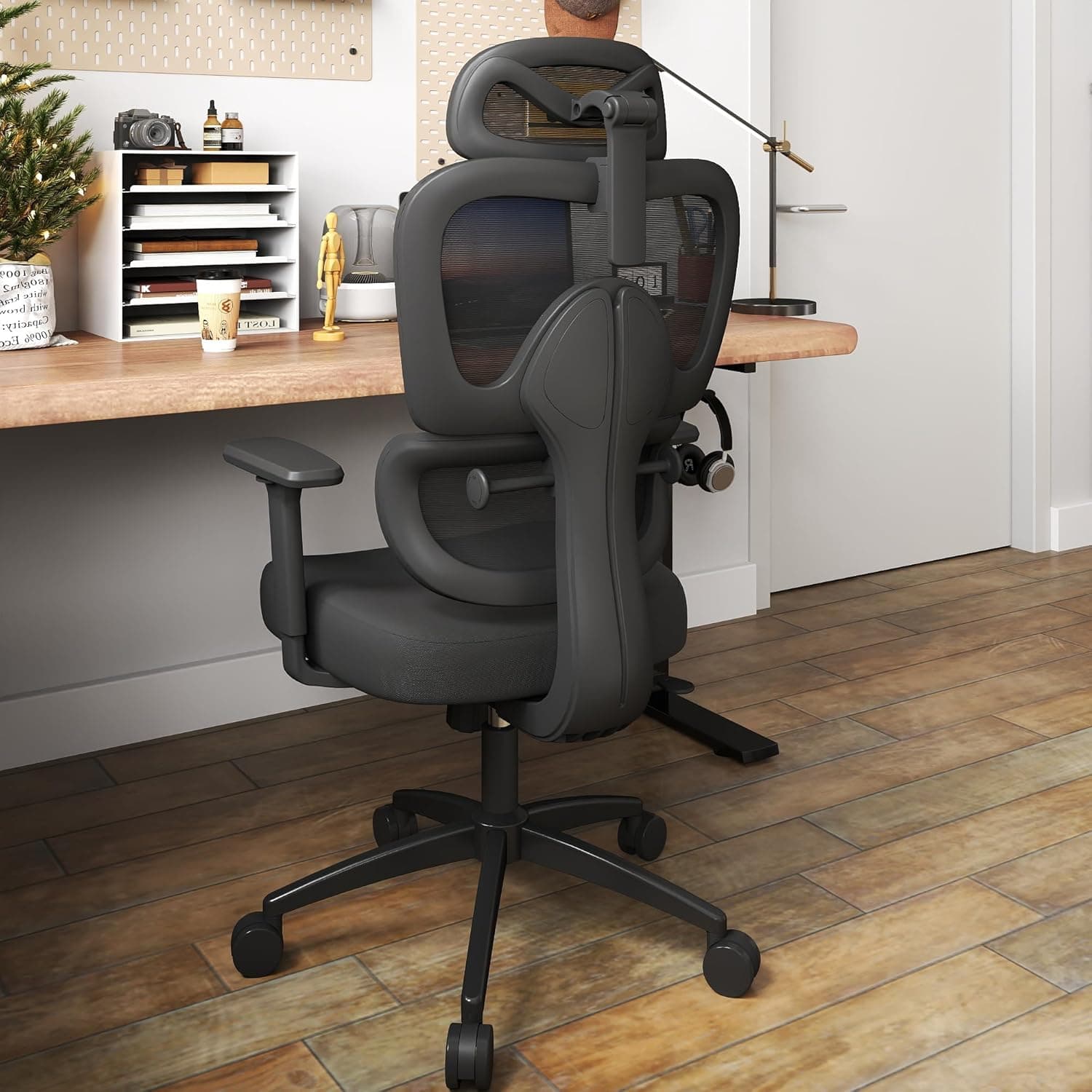
If you set your office chair height in the morning and find yourself sitting lower by lunchtime, the gas cylinder is almost certainly wearing out. The pneumatic cylinder holds pressurised gas that supports your weight, and its seals eventually leak. Temporary fixes can buy time, but replacing the cylinder is usually inexpensive and restores the chair completely.
Why chairs sink
Office chair height is controlled by a gas cylinder with internal seals. Over years of sitting, rolling and adjusting, those seals wear and gas escapes past them, so the cylinder can no longer hold its position under load.
Heavy use, frequent height changes and exceeding the chair's weight rating speed up wear. Cheap chairs often use lower-grade cylinders that fail sooner.
Rule out other issues
Check that the height lever is not stuck in the pressed position, which lets the chair drop. Look under the seat to make sure the lever is not bent and pushing on the cylinder button.
Also check for a loose seat mechanism or broken base. If the seat tilts or rocks rather than dropping evenly, the problem may be the tilt mechanism instead of the cylinder.
Temporary fixes
A chair cylinder collar, or a length of PVC pipe cut lengthwise and clipped around the cylinder at the desired height, stops the seat from sinking further. Hose clamps around the cylinder are another common workaround.
These fixes lock the chair at one height, so they are not ideal if several people use the chair or you use a standing desk and change seat height often.
Replace the gas cylinder
Measure the existing cylinder's length and stroke, and check the chair model's specifications before buying a replacement. Most office chairs use standard cylinder tapers, but lengths vary for tall and short users.
To remove the old cylinder, turn the chair upside down, separate the base with a rubber mallet or pipe wrench as described in replacement instructions, then remove the cylinder from the seat mechanism. Wear eye protection and never cut or heat a gas cylinder.
Consider a chair upgrade
If the chair also has worn cushions, broken armrests or a failing tilt mechanism, a new chair may be better value than repairs. Look for chairs with strong warranties that cover gas cylinders for several years.
Choose a chair with a height range that suits your body and desk height, and add a footrest if your feet do not rest flat after adjusting the seat properly.
Products from this article
The highest-scoring picks from the buying guides mentioned above. Scores are our editorial assessment, not customer ratings.
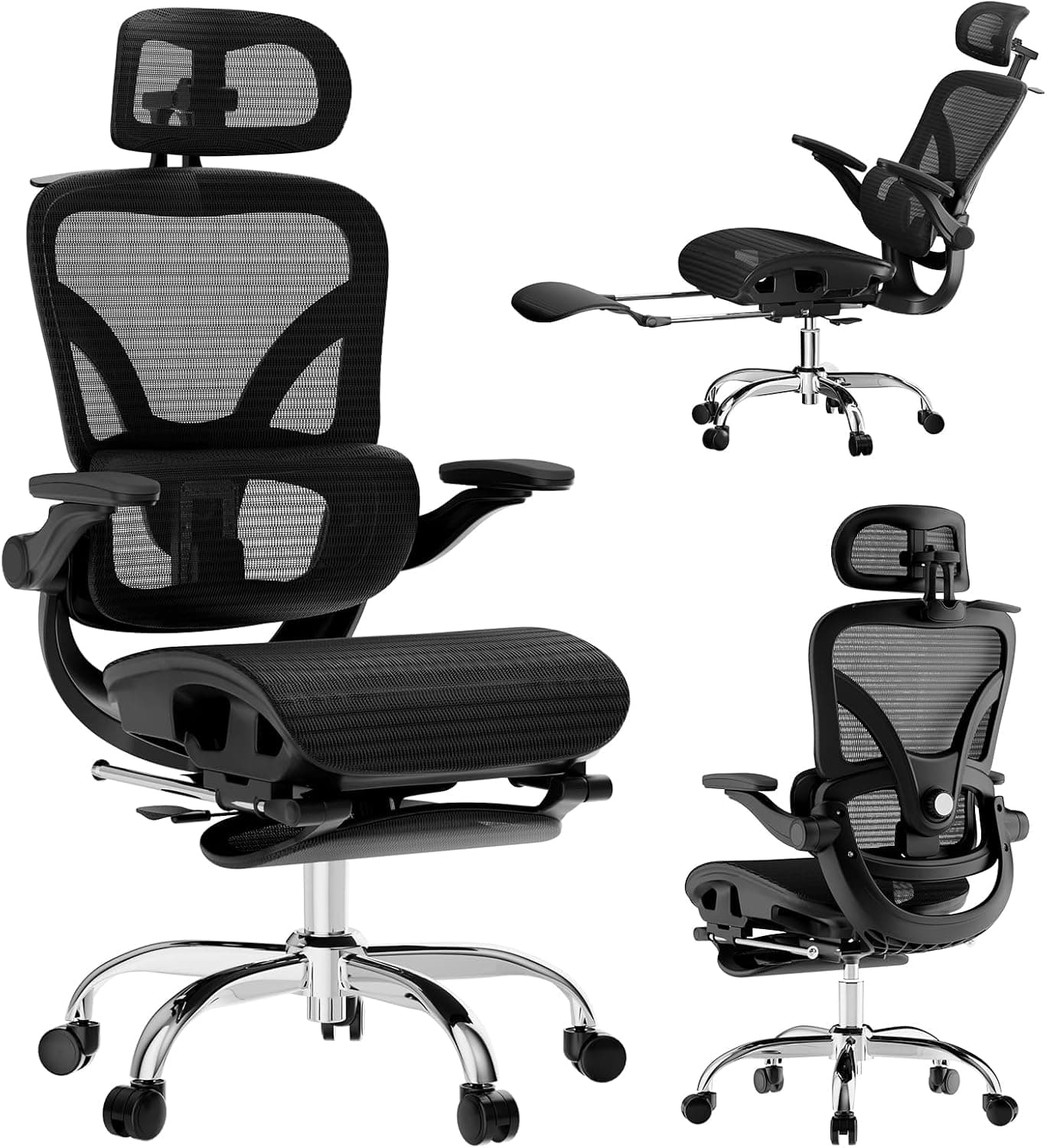
+ 4D arms slide, pivot and adjust in height to match any keyboard position
From our guide: Best Ergonomic Office Chairs for Home Offices (2026)
+ 3D headrest adjusts to cradle the neck rather than just sitting behind it
From our guide: Best Mesh Office Chairs for Home Offices (2026)
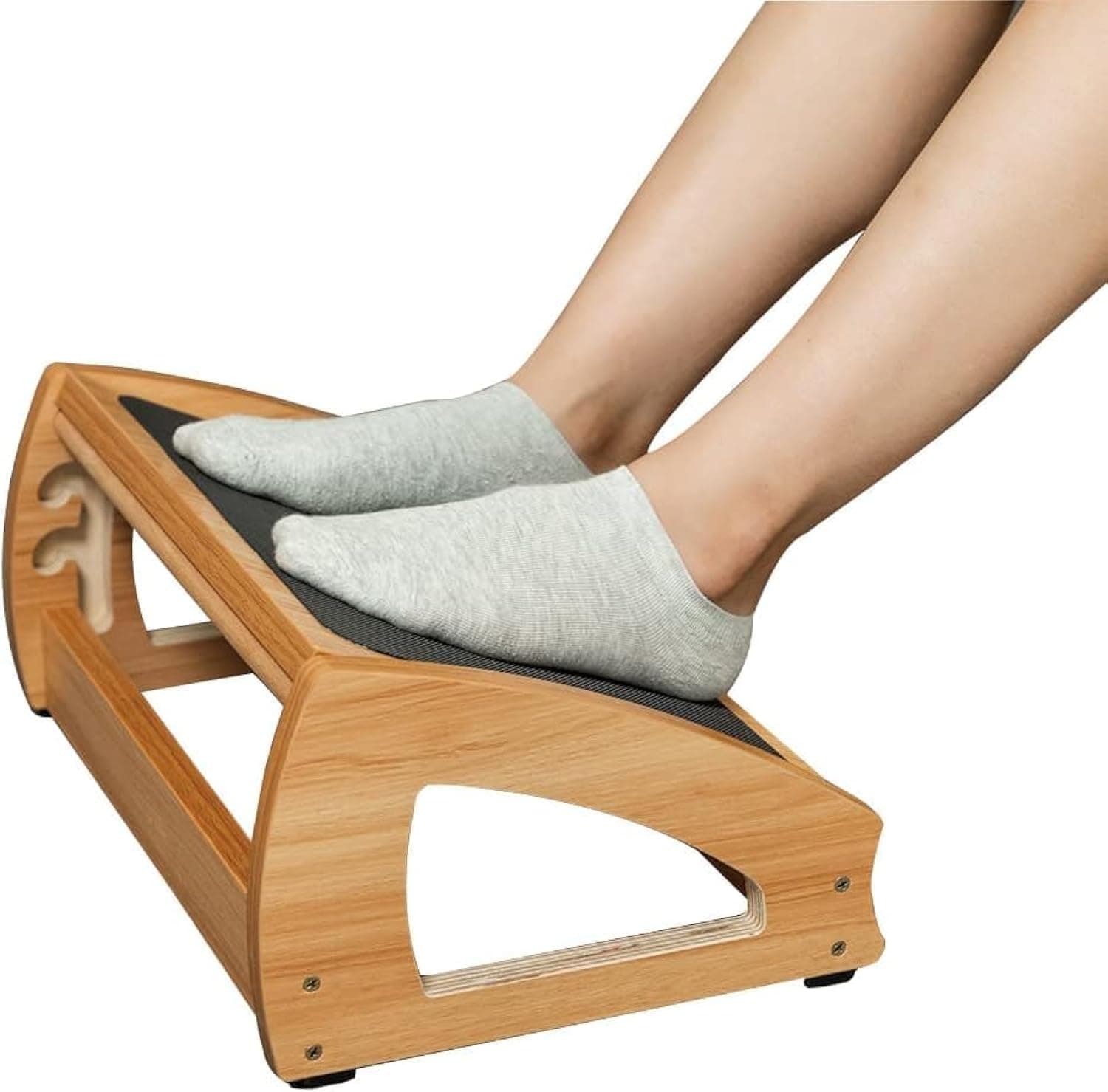
+ Wooden build feels solid and looks better than plastic under a desk
From our guide: Best Under-Desk Footrests for Home Offices (2026)
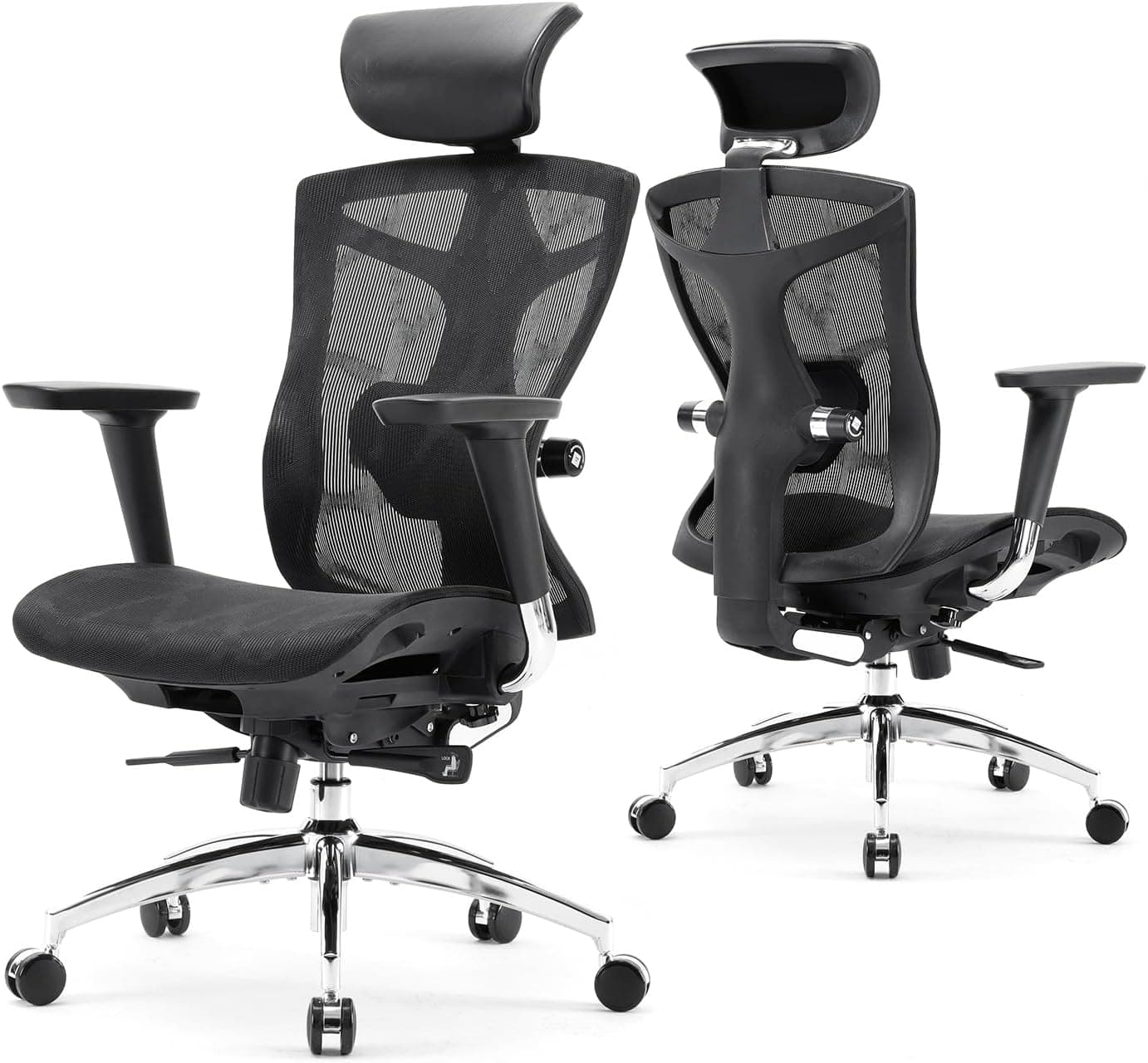
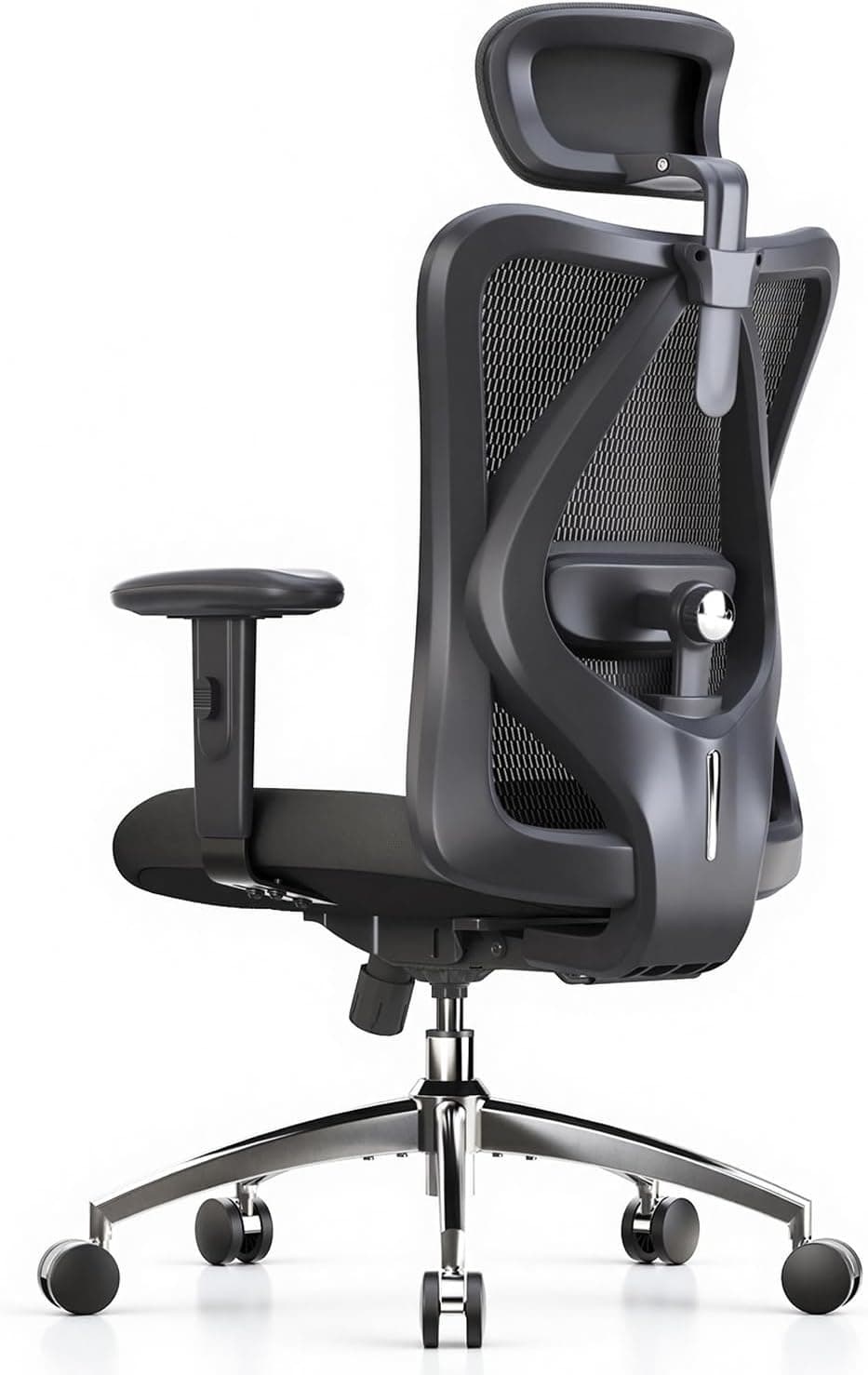
+ SIHOO M18 is a widely sold model with a long record in home offices
From our guide: Best Ergonomic Office Chairs for Home Offices (2026)
Popular right now
- Best Monitor Shelves for Home Offices (2026)Buying guide
- Best Corner Desks for Home Offices (2026)Buying guide
- Best Under-Monitor Storage Organizers (2026)Buying guide
- Best Ergonomic Split Keyboards (2026)Buying guide
- Best Vertical Mice for Wrist Comfort (2026)Buying guide
- Best Laptop Docking Stations for WFH (2026)Buying guide
Based on the last 28 days of search and visitor data.