How to Choose an Office Chair That Supports You All Day
Published How we research
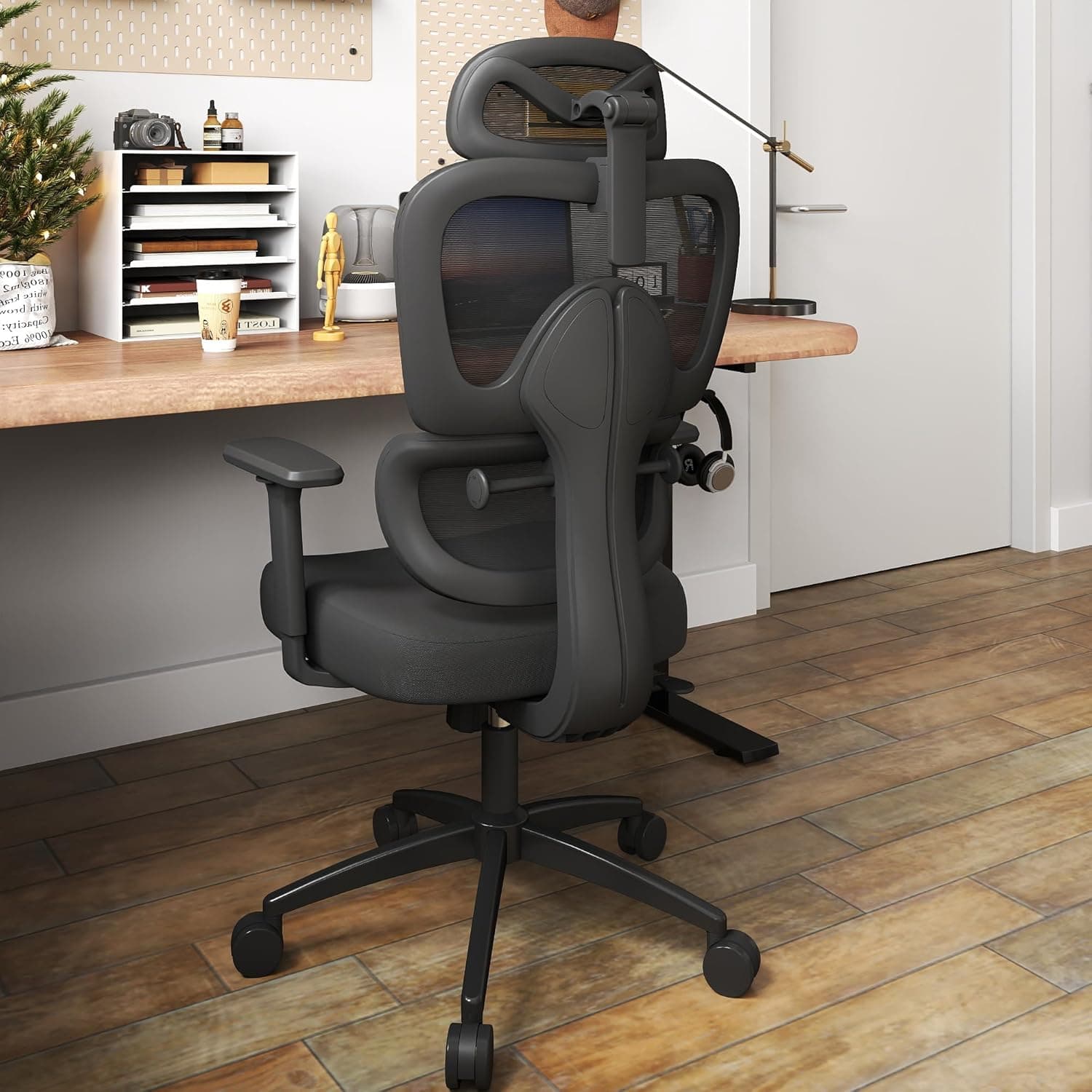
An office chair is the piece of your setup you touch most, so it deserves careful thought. The right chair supports your natural posture with minimal effort, while the wrong one quietly pushes you into slouching that you feel in your back and shoulders. Rather than chasing a specific brand, focus on the adjustments and fit that let the chair adapt to your body.
Products from this article
The highest-scoring picks from the buying guides this article links to. Scores are our editorial assessment, not customer ratings.
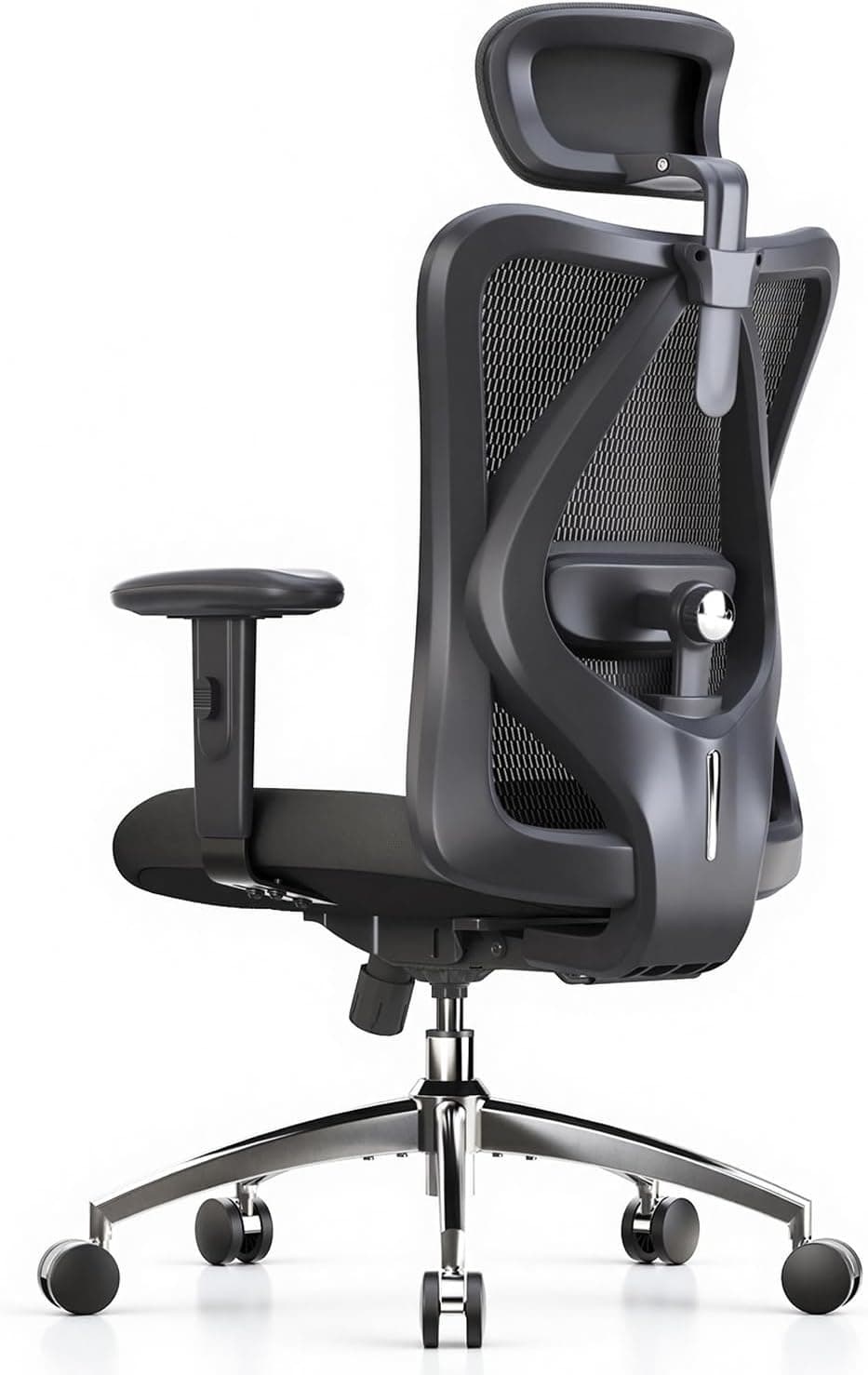
+ SIHOO M18 is a widely sold model with a long record in home offices
From our guide: Best Ergonomic Office Chairs for Home Offices (2026)
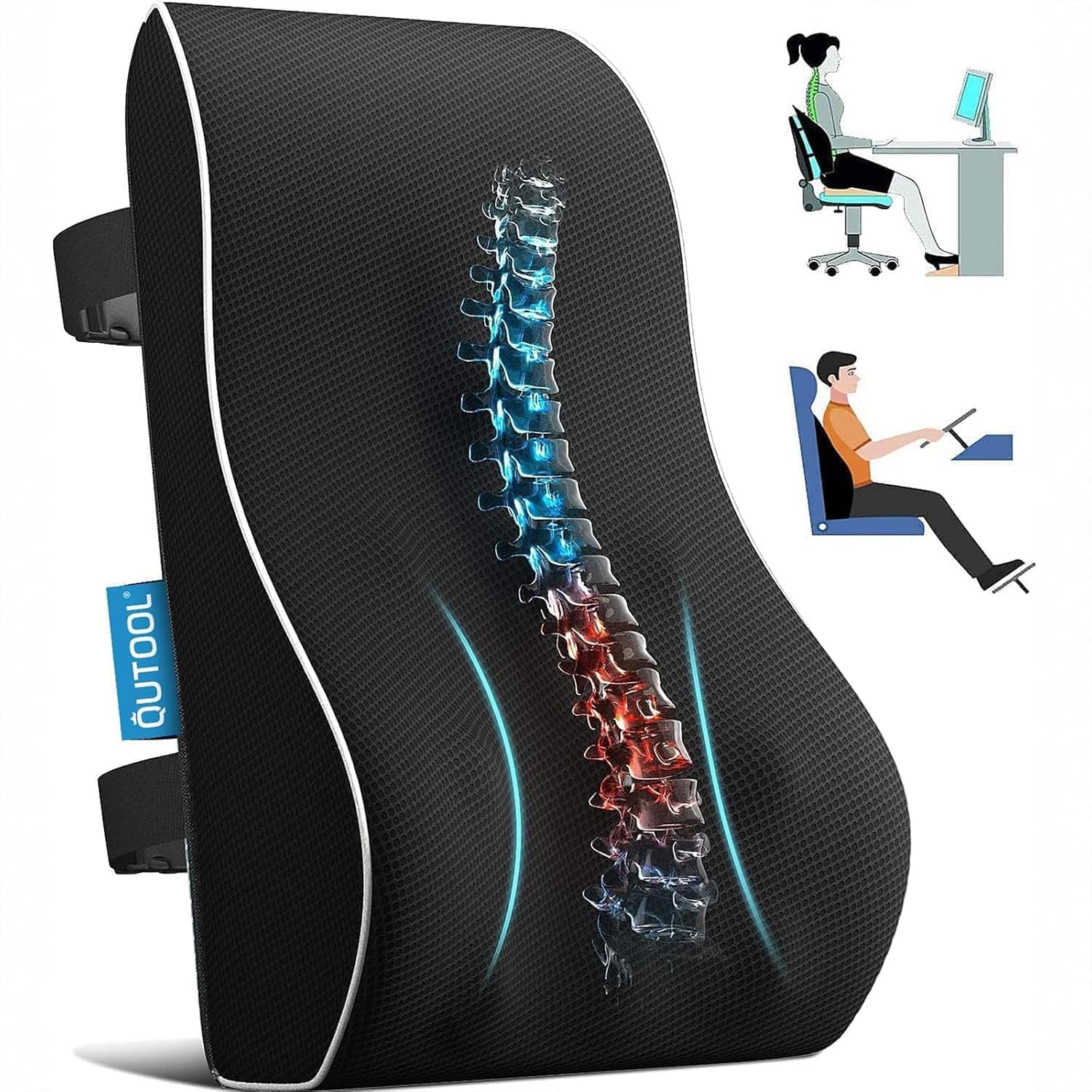
+ Double adjustable straps keep the pillow from sliding down during use
From our guide: Best Lumbar Support Pillows for Home Offices (2026)
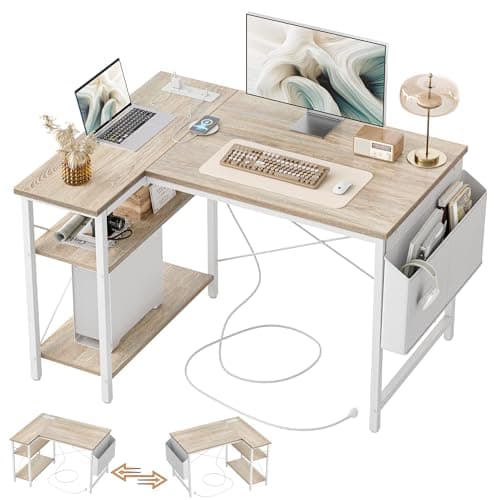
+ Built-in power strip with two AC outlets, one USB port and one Type-C port keeps charging cables off the floor.
From our guide: Best Corner Desks for Home Offices (2026)
+ 3D armrests adjust in height and angle, so forearms rest level with the desk
From our guide: Best Ergonomic Office Chairs for Home Offices (2026)
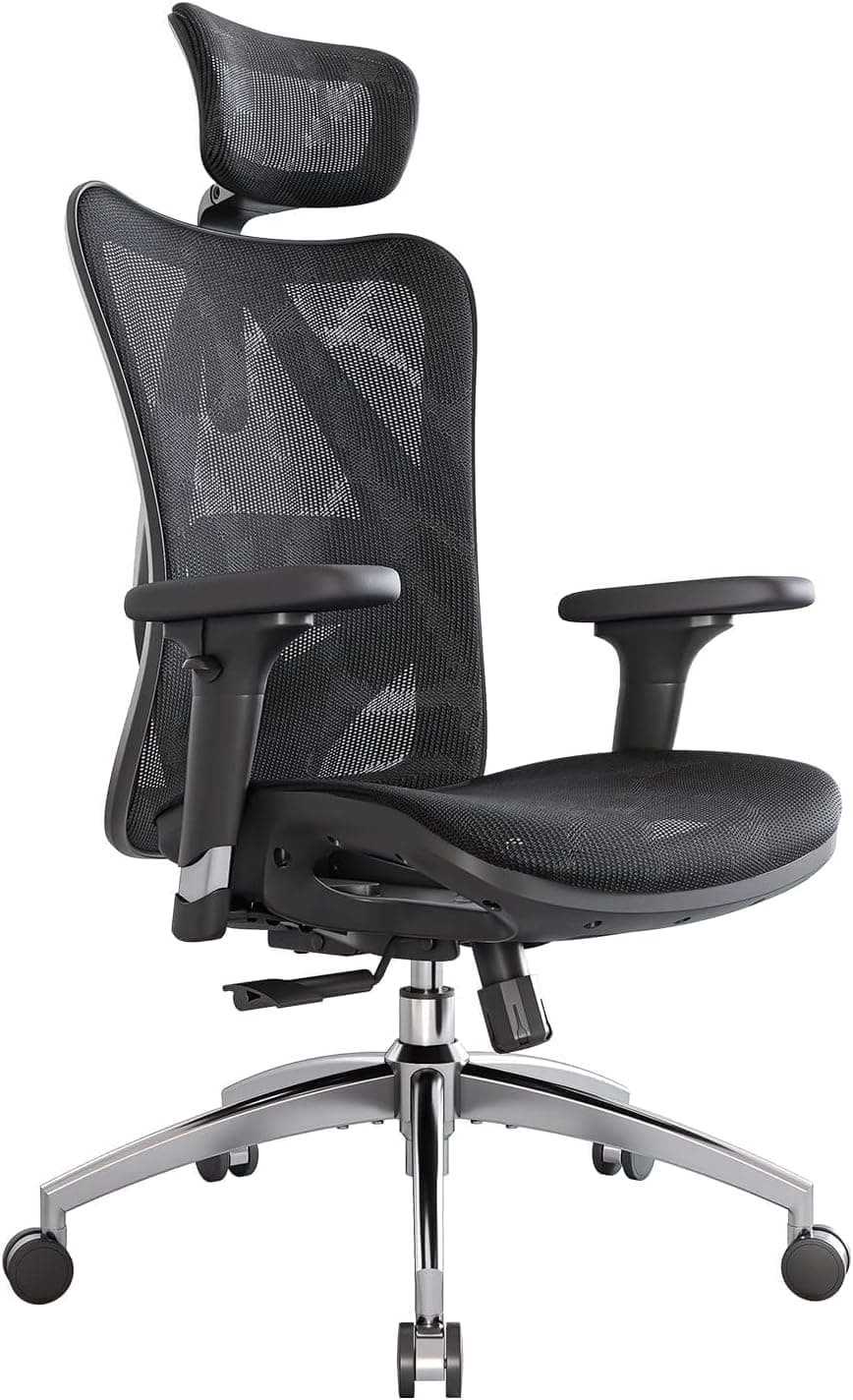
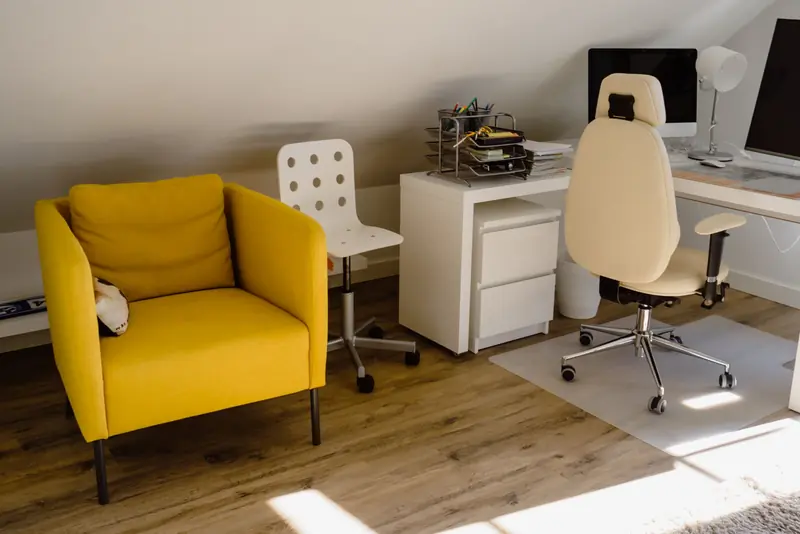
Seat height is the most important adjustment. You want to lower or raise the seat until your feet rest flat on the floor and your thighs are roughly parallel to the ground. If a chair cannot reach your working height comfortably, no other feature will make up for it. This is the first thing to check on any chair you consider.
Lumbar support keeps the inward curve of your lower back from collapsing over long sessions. Look for support that meets the small of your back and, ideally, can be adjusted up or down to match your spine. Even a modest, well-placed lumbar cushion can transform a mediocre chair, so this is worth prioritizing over flashier features.
Seat depth and armrests round out the fit. When seated fully back, you should have a small gap, roughly two to three fingers wide, between the seat edge and the back of your knees. Armrests should let your shoulders relax while your elbows rest lightly, without pushing your shoulders up or forcing them down. Adjustable armrests are a real advantage here.
Before committing, test the chair for longer than a quick sit if you can. Comfort in the first minute tells you little; comfort after twenty or thirty minutes tells you almost everything. Pay attention to pressure points, whether your back stays supported, and whether you naturally settle into a good posture or keep sliding forward.
Popular right now
- Best Ergonomic Split Keyboards (2026)Buying guide
- Best Under-Monitor Storage Organizers (2026)Buying guide
- Best Monitor Privacy Filters (2026)Buying guide
- Best Corner Desks for Home Offices (2026)Buying guide
- Best UPS Battery Backups for Home Offices (2026)Buying guide
- Docking station explainedGlossary
Based on the last 28 days of search and visitor data.