Warm vs Cool Desk Lighting
Published How we research
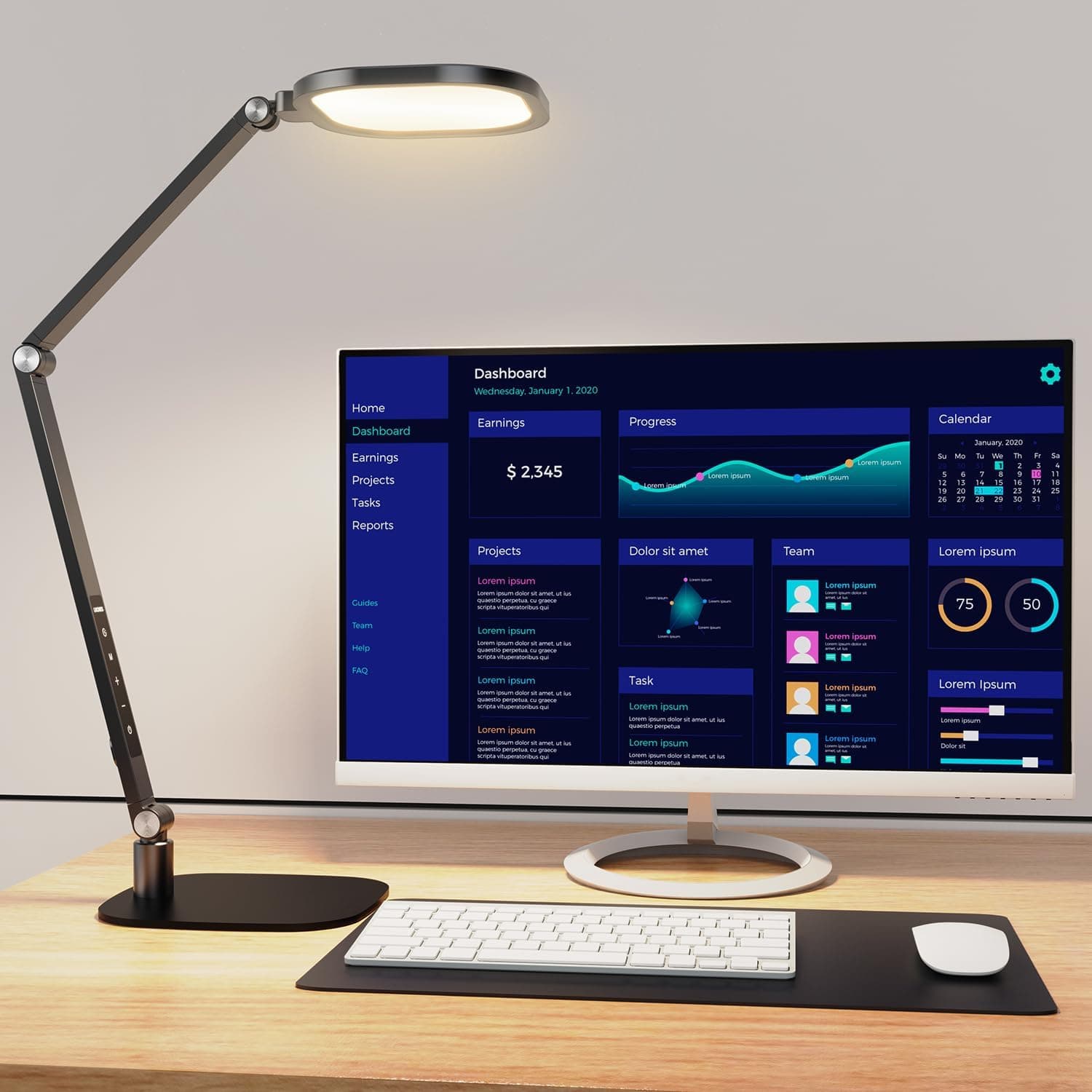
Colour temperature affects how you feel and work. Cool, bluish light (like midday sun) feels energising and supports alertness and detailed daytime focus work. Warm, yellowish light (like a sunset) feels relaxing, is easier on the eyes, and suits evening work and winding down. Bright cool light late at night makes it harder to relax afterward, so shift warmer in the later hours. An adjustable-temperature lamp is the flexible answer; a neutral mid tone is the safe single choice. Light color, measured as color temperature, has a real effect on how you feel and work, even though many people never think about it. Warm light has a soft, yellowish tone similar to a sunset or a cozy lamp, while cool light is brighter and bluer, closer to midday sun. Neither is universally better; the right choice depends on the time of day and the kind of work you are doing.
Products from this article
The highest-scoring picks from the buying guides this article links to. Scores are our editorial assessment, not customer ratings.
+ 3 color and 10 brightness levels suit reading, writing and screen work
From our guide: Best Desk Lamps for Home Offices (2026)
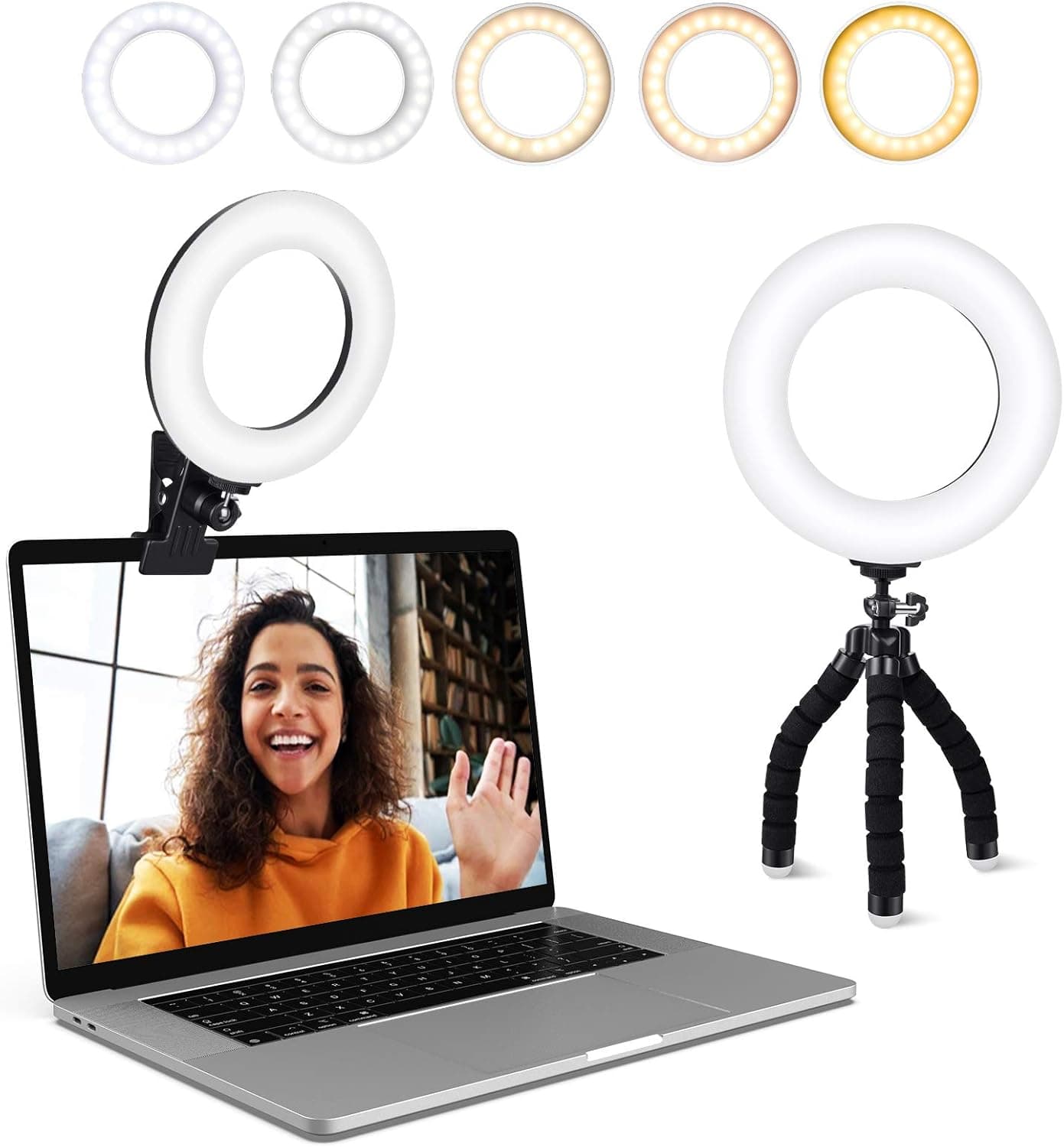
+ Clip-on ring light brightens your face on video calls
From our guide: Best Ring Lights for Video Calls and WFH (2026)
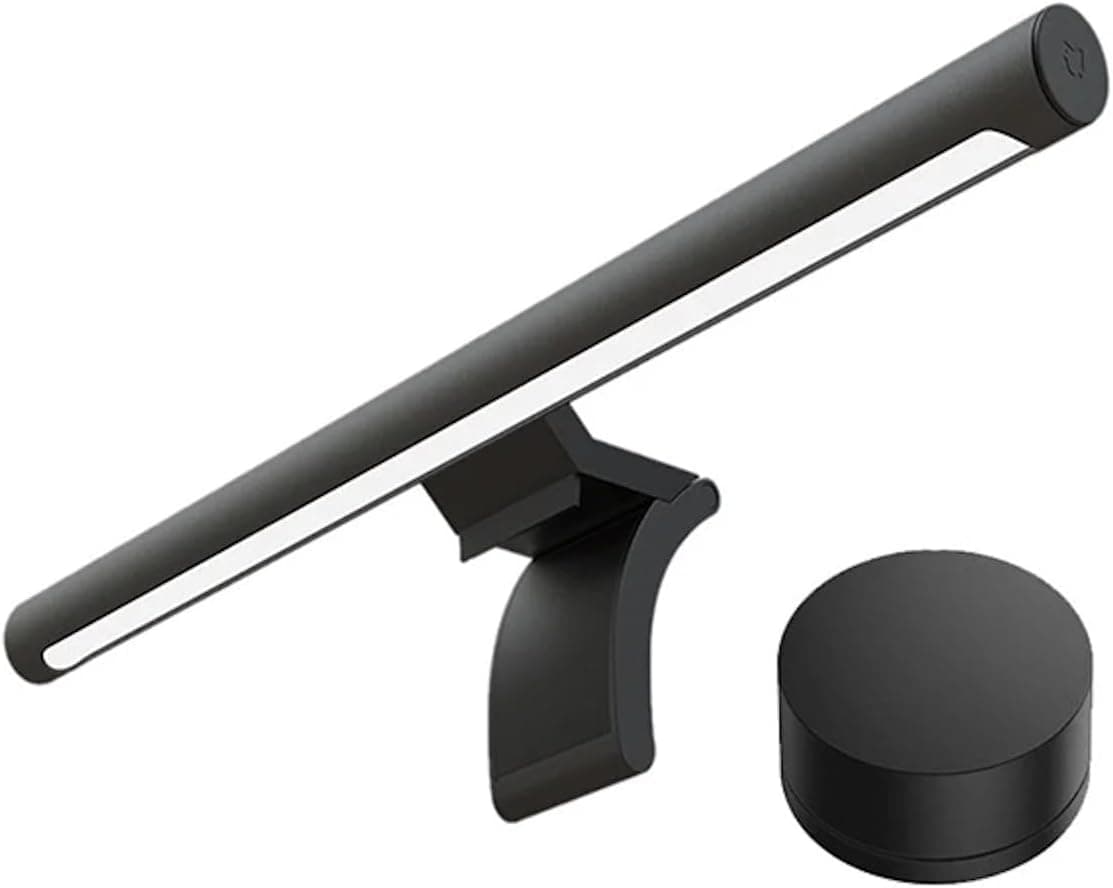
+ Xiaomi brand brings clean industrial design and solid quality control
From our guide: Best Screen Glow Bars for Monitors (2026)
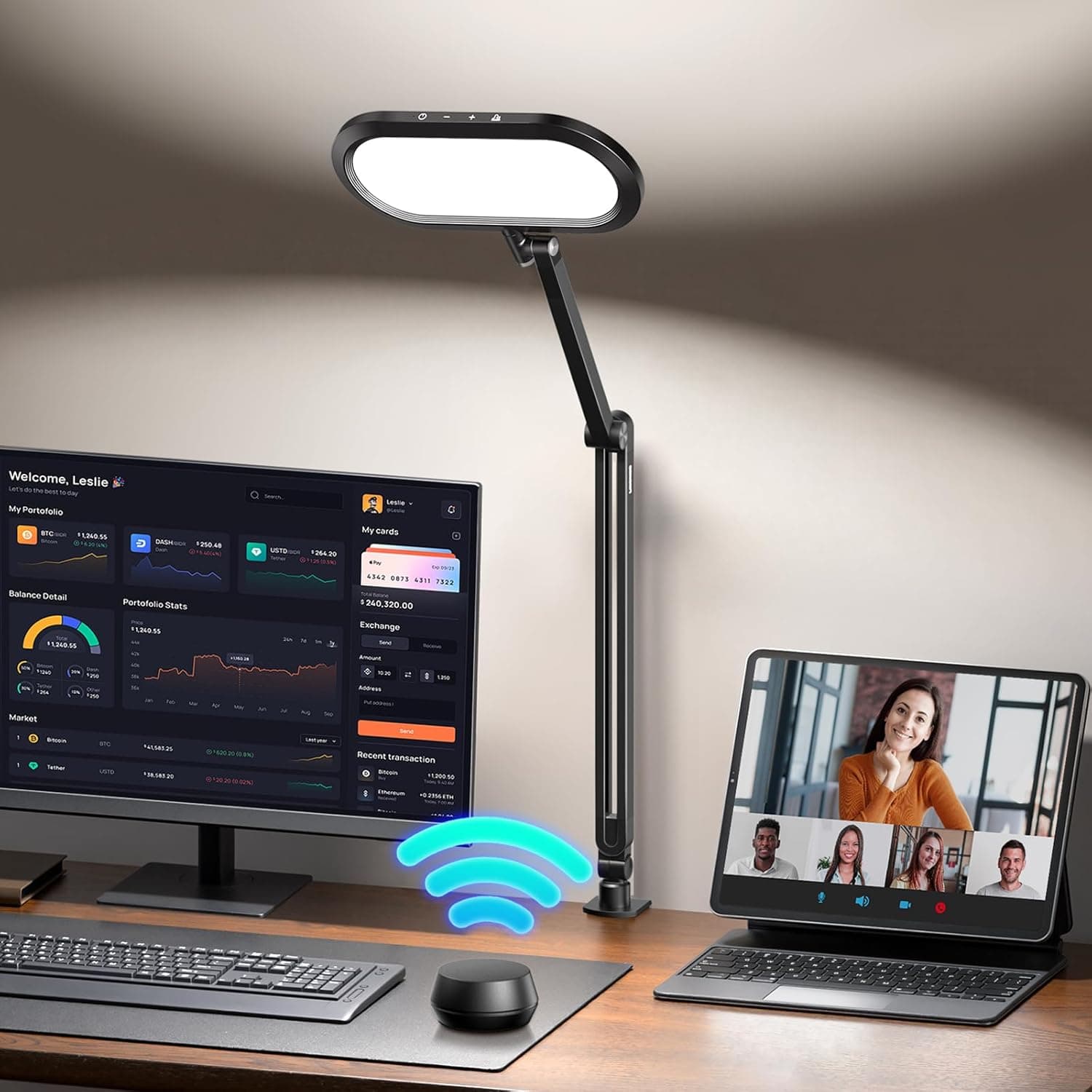
+ Double-sided lighting spreads light across a wider desk area
From our guide: Best Desk Lamps for Home Offices (2026)
Cool light for daytime alertness and focus
Cool, bluish light tends to feel energizing and can help with alertness and concentration. It is well suited to daytime focus work, detailed tasks, and mornings when you want to feel awake. If you often work on demanding projects during the day, a cooler light can support that sharper, more focused state.
Warm light for evenings and eye comfort
Warm light, on the other hand, feels relaxing and easier on the eyes for many people. It suits evening work, reading, and winding down, and it creates a more comfortable atmosphere in a home setting. Because warm light is less stimulating, it can be a better choice later in the day when harsh, cool light might leave you feeling wired.
Why timing matters for winding down
The timing angle matters because bright, cool light late at night can make it harder to relax and settle down afterward. If you work into the evening, shifting toward warmer light in the later hours is gentler on both your eyes and your ability to unwind once you stop.
The flexible answer: an adjustable lamp
If you want the best of both, an adjustable lamp that lets you change color temperature is a flexible solution. You can run cooler light during focused daytime hours and switch to a warmer tone in the evening. If you can only pick one, a neutral tone in the middle is a safe all-day compromise that avoids the extremes of either end.
Frequently asked questions
Is warm or cool light better for a desk? Neither universally. Cool light supports alertness and detailed focus work during the day; warm light is more relaxing and easier on the eyes for evening work and winding down.
Does desk lighting affect sleep? Bright, cool light late at night can make it harder to relax and settle afterward. If you work into the evening, shift toward warmer light in the later hours.
What colour temperature should I pick if I can only choose one? A neutral tone in the middle, which is a safe all-day compromise that avoids the extremes of either end.
What is the best desk lamp for both focus and evening use? An adjustable one that lets you change colour temperature: cooler during focused daytime hours, warmer in the evening.
Popular right now
- Best Ergonomic Split Keyboards (2026)Buying guide
- Best Under-Monitor Storage Organizers (2026)Buying guide
- Best Monitor Privacy Filters (2026)Buying guide
- Best Corner Desks for Home Offices (2026)Buying guide
- Best UPS Battery Backups for Home Offices (2026)Buying guide
- Docking station explainedGlossary
Based on the last 28 days of search and visitor data.