How to Stay Warm While Working From Home in Winter
Published How we research
Working from home in winter often means sitting still for hours in a spare room or corner that was never designed as an office. Cold feet, stiff hands and draughts from windows make it hard to concentrate, and heating the entire home during the workday gets expensive. Targeted heat and small workspace changes keep you comfortable far more efficiently.
Move away from cold surfaces
Desks placed against exterior walls or directly in front of windows put you in the coldest part of the room. Moving the desk even a short distance inward, or turning it so you are not sitting in a draught, can make a noticeable difference.
Thermal curtains, window insulation film and draft stoppers under doors cut heat loss. Close the office door so the small room holds warmth instead of heating a hallway.
Warm your feet first
Cold floors pull heat from your feet, and cold feet make the whole body feel cold. A heated footrest or under-desk foot warmer targets heat exactly where it is needed using relatively little electricity.
A thick rug or chair mat with insulation under the desk helps, especially over tile or concrete floors. Warm socks or slippers remain the simplest upgrade.
Use personal heating safely
A small space heater warms a home office faster than central heating warms an entire home. Choose one with tip-over and overheat protection, keep it away from papers, curtains and cables, and plug it directly into a wall outlet rather than a power strip.
Heated seat cushions, heated throws and desk-mounted heating panels warm your body directly with lower power use. Turn heaters off when you leave the room.
Keep hands comfortable
Cold hands make typing uncomfortable and can increase stiffness. Fingerless gloves, a heated mouse pad or a warm mug of tea nearby keep fingers moving.
Take short movement breaks every hour to get blood flowing, stretch hands and wrists and walk around the home. Breaks also help with posture and eye strain.
Balance light, air and humidity
Winter days are short, and a dim workspace feels colder and gloomier. Warm-toned desk lighting creates a more comfortable atmosphere while still providing enough light for work.
Heating dries the air, which can cause dry eyes and throat. A small humidifier, and opening the window briefly for fresh air between calls, keeps the room pleasant without losing too much warmth.
Products from this article
The highest-scoring picks from the buying guides mentioned above. Scores are our editorial assessment, not customer ratings.
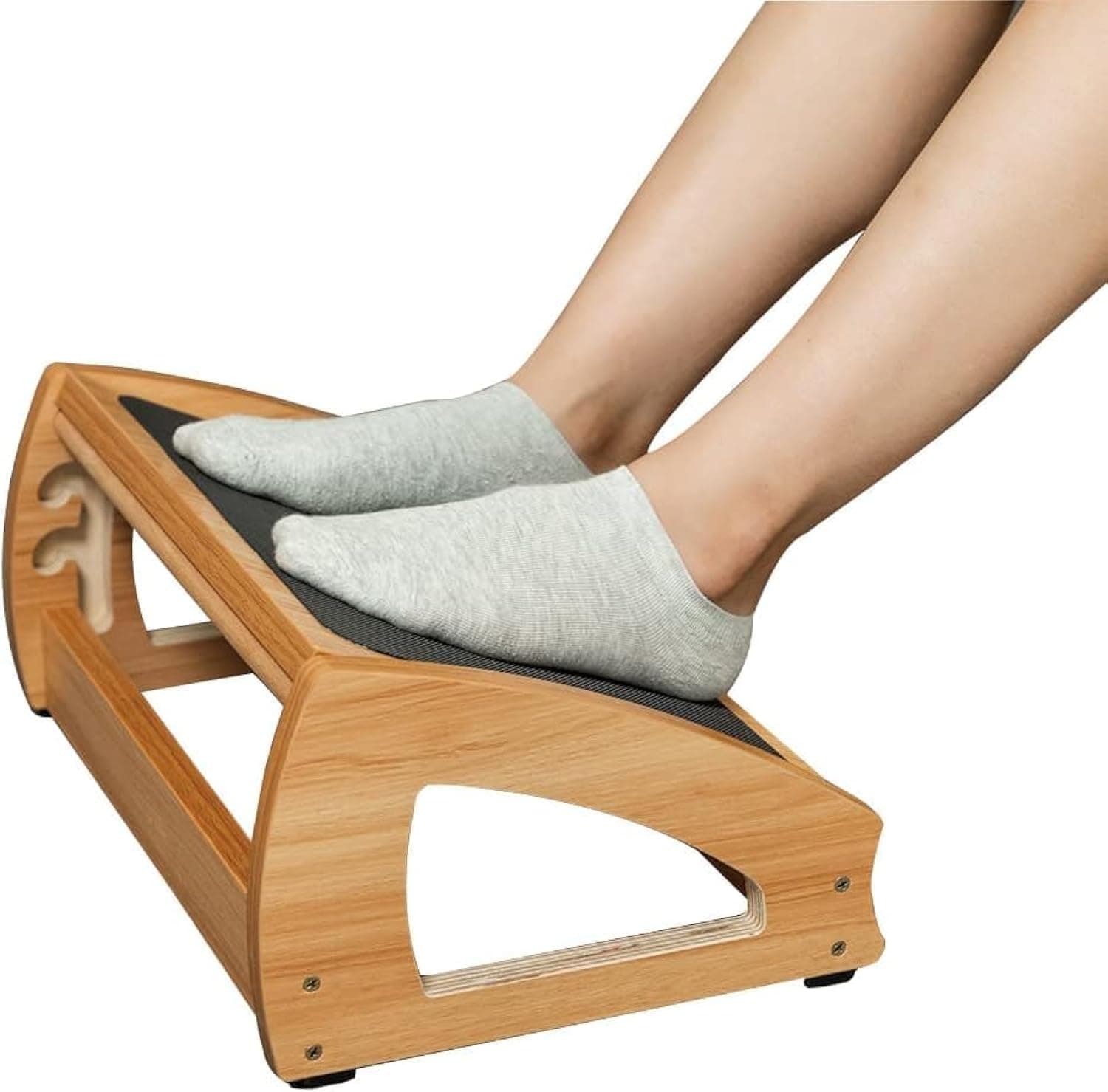
+ Wooden build feels solid and looks better than plastic under a desk
From our guide: Best Under-Desk Footrests for Home Offices (2026)
+ Gel layer on top of memory foam helps the cushion stay cooler
From our guide: Best Seat Cushions for Home Office Chairs (2026)
+ 3 color and 10 brightness levels suit reading, writing and screen work
From our guide: Best Desk Lamps for Home Offices (2026)
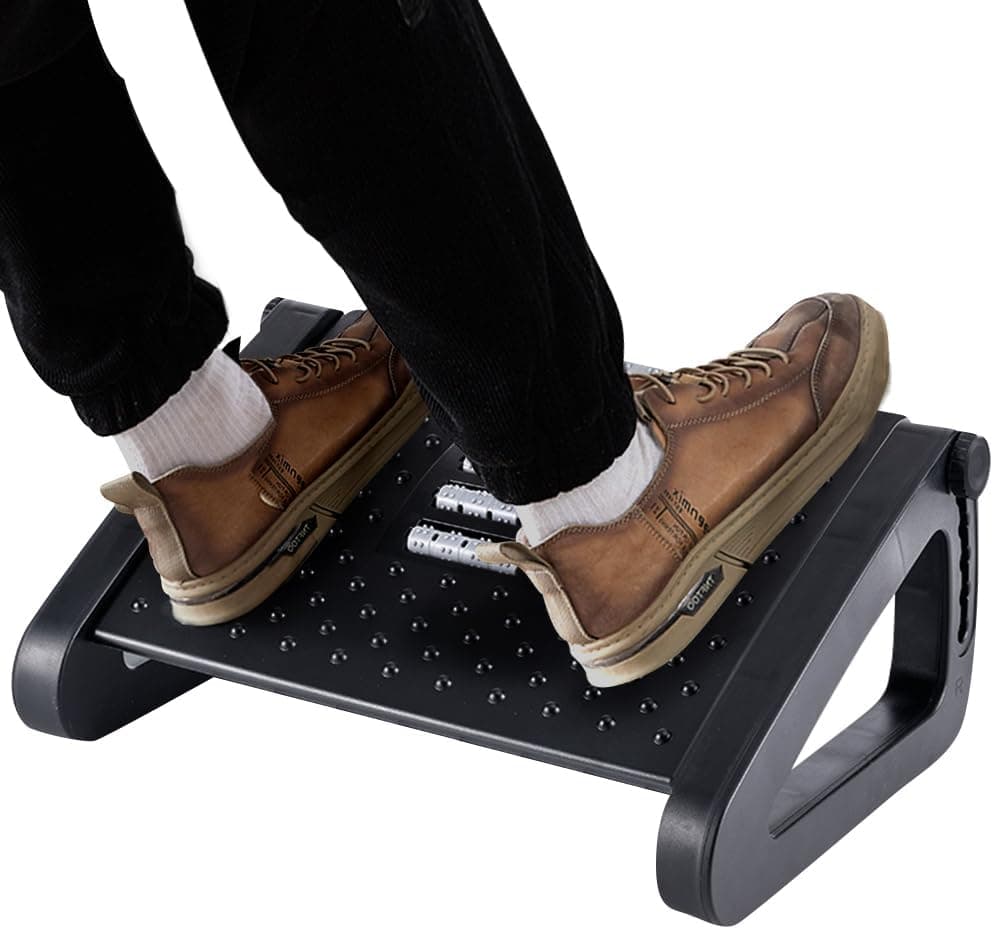
+ Six heights give fine control for a wide range of chair settings
From our guide: Best Under-Desk Footrests for Home Offices (2026)


Popular right now
- Best Monitor Shelves for Home Offices (2026)Buying guide
- Best Corner Desks for Home Offices (2026)Buying guide
- Best Under-Monitor Storage Organizers (2026)Buying guide
- Best Ergonomic Split Keyboards (2026)Buying guide
- Best Vertical Mice for Wrist Comfort (2026)Buying guide
- Best Laptop Docking Stations for WFH (2026)Buying guide
Based on the last 28 days of search and visitor data.