How Often Should You Take Breaks at Your Desk?
Published How we research
You can build the most ergonomically perfect workstation in the world, and it still will not fully protect you if you sit motionless at it for hours. The human body is built to move, and staying in one position for too long causes stiffness, reduced circulation, and fatigue regardless of how good your posture is. This is why breaks are not a luxury but a genuine part of working comfortably.
Products from this article
The highest-scoring picks from the buying guides this article links to. Scores are our editorial assessment, not customer ratings.
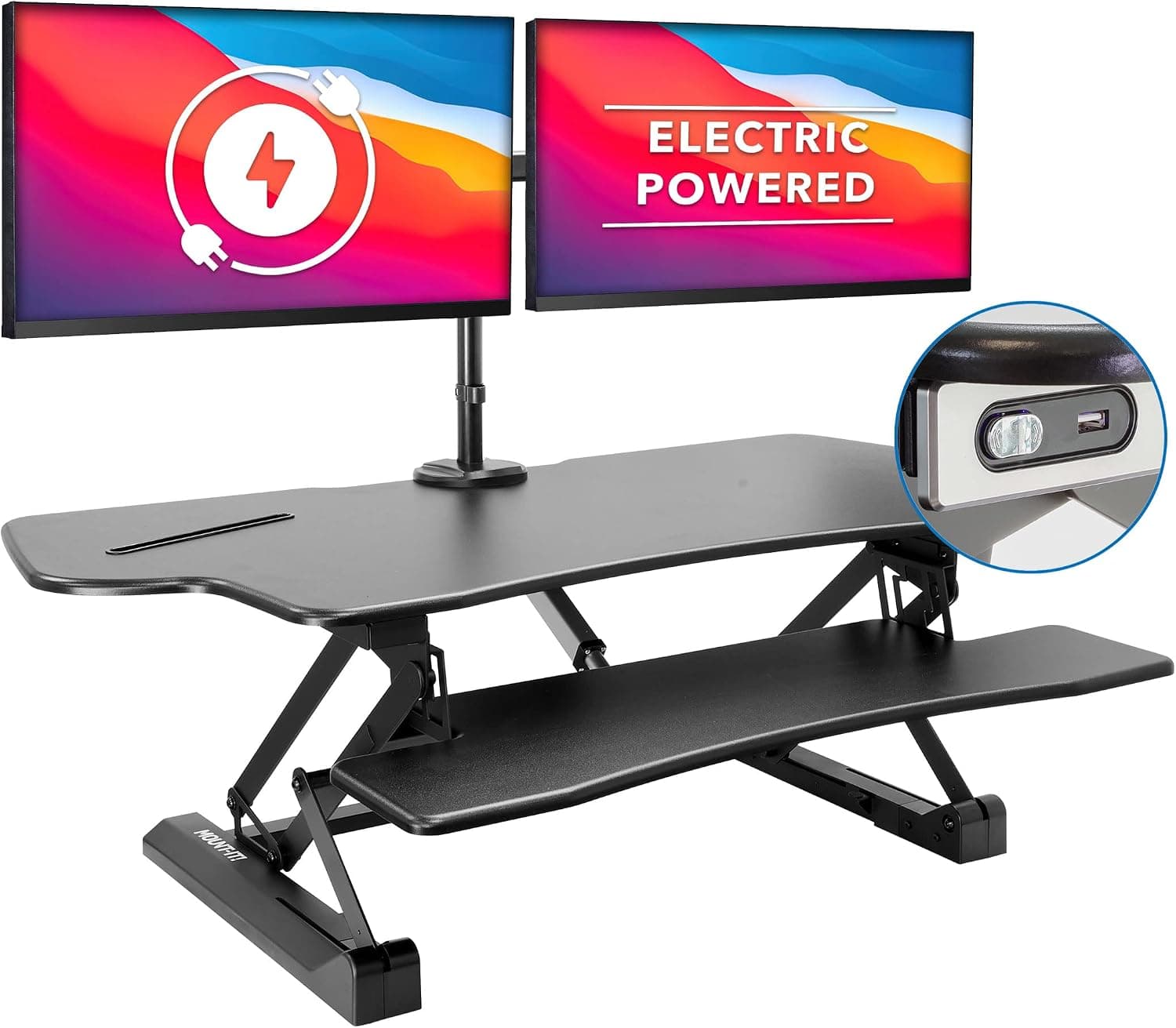
+ Electric lift raises a full dual-screen setup without the manual effort of spring risers
From our guide: Best Standing Desk Converters for Home Offices (2026)
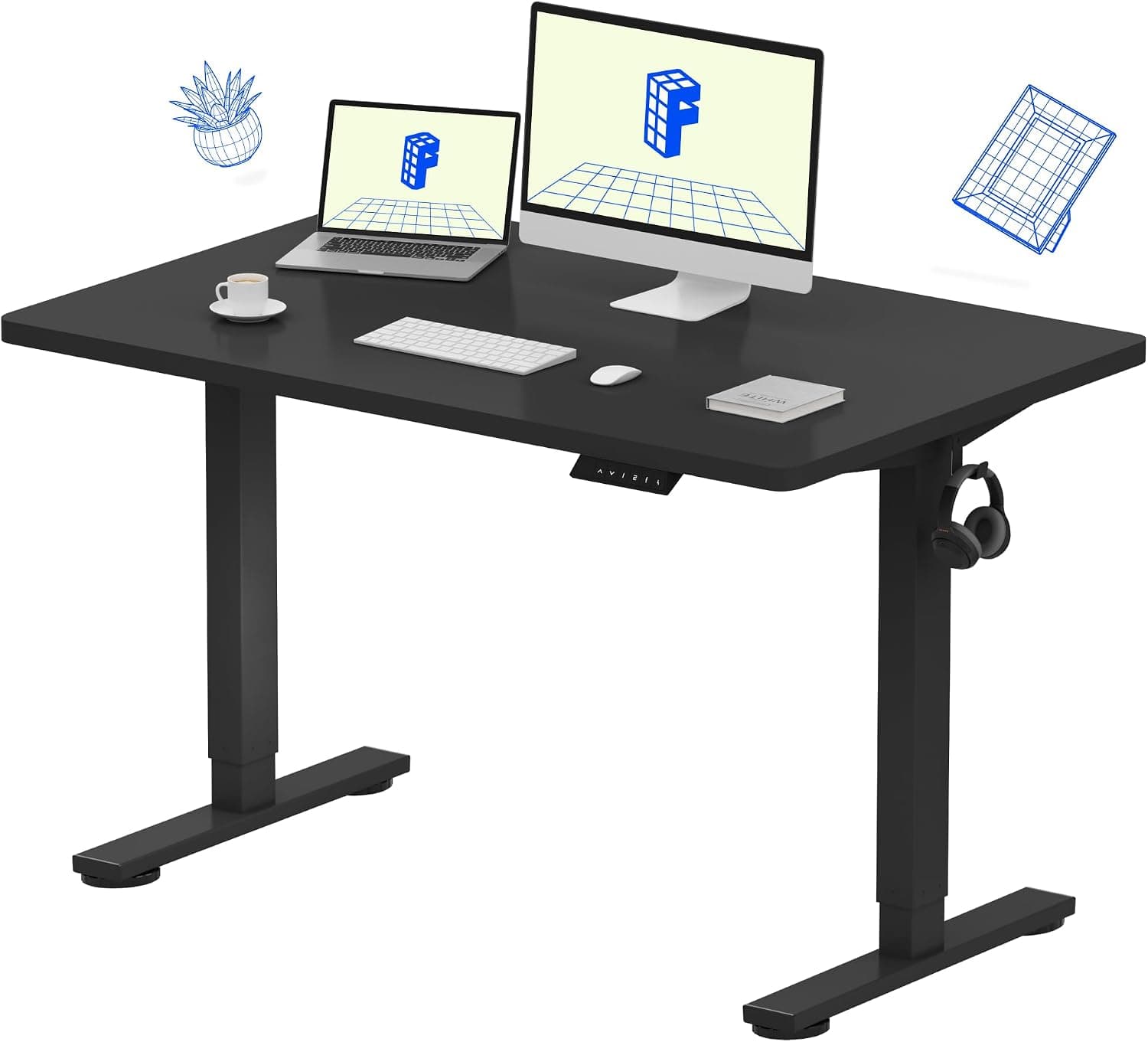
+ 4 memory presets store your sitting and standing heights so switching stays quick and repeatable
From our guide: Best Standing Desks for Home Offices (2026)
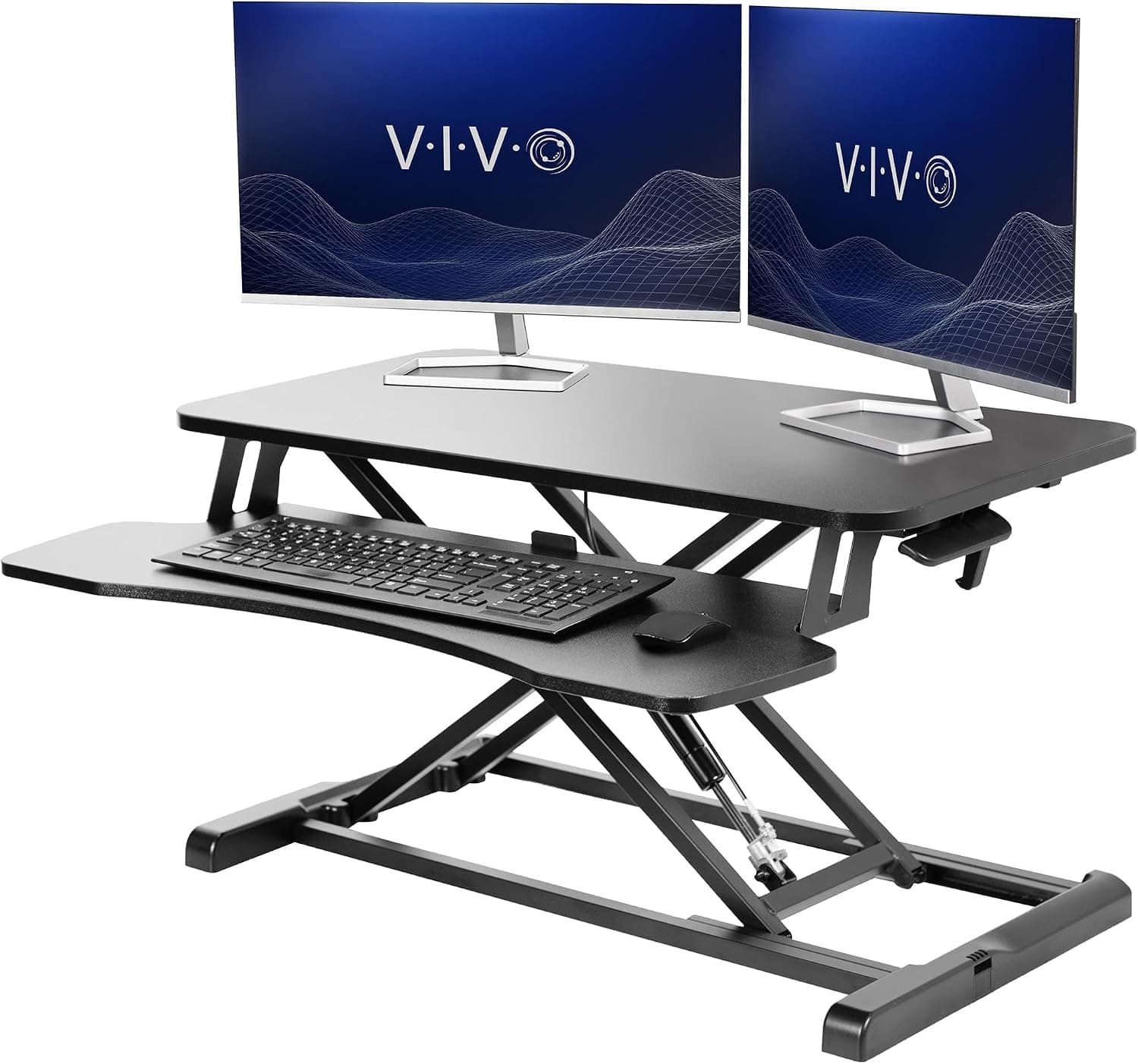
+ Wide keyboard tray fits a full-size keyboard and mouse below monitor height
From our guide: Best Standing Desk Converters for Home Offices (2026)
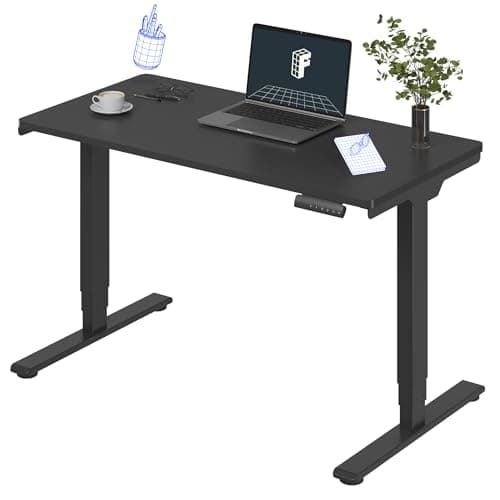
+ 3-stage legs give a height range of 23.6 to 48.8 inches, which covers short and tall users
From our guide: Best Standing Desks for Home Offices (2026)
The most useful principle is frequency over duration. Short, regular breaks throughout the day do more good than one long break, because the problem is prolonged stillness rather than a lack of total rest. Standing up and moving for even a minute every half hour or so interrupts the static loading that causes trouble, keeping your muscles active and your blood flowing.
There are two kinds of breaks worth building in. Micro-breaks are brief pauses of a minute or two where you stand, stretch, or walk to refill your water, and these keep your body from locking up. Longer breaks, such as a proper lunch away from the desk or a short walk, give both your body and your mind a fuller reset and help you return more focused.
Your eyes need breaks too, and on a different rhythm. Because screen work keeps your eyes focused at the same close distance, pausing regularly to look at something far away lets your focusing muscles relax and reduces eye strain. This eye break pairs naturally with a quick stand-up, so you can address body and eyes at once.
The hard part is remembering, since work absorbs your attention and hours slip by. Tying breaks to natural moments, such as finishing a task or the end of a meeting, helps, and a gentle reminder or timer can prompt you until it becomes habit. However you do it, treat regular movement as an essential companion to a good setup rather than something optional you fit in when there is time.
Popular right now
- Best Ergonomic Split Keyboards (2026)Buying guide
- Best Under-Monitor Storage Organizers (2026)Buying guide
- Best Monitor Privacy Filters (2026)Buying guide
- Best Corner Desks for Home Offices (2026)Buying guide
- Best UPS Battery Backups for Home Offices (2026)Buying guide
- Docking station explainedGlossary
Based on the last 28 days of search and visitor data.